


July 19, 2025
Pedelecs (from the English "pedal electric bicycle ") are a successful concept in Europe. Legally, they are classified as bicycles, meaning all regulations for bicycles also apply to pedelecs. However, Claus Fleischer, Managing Director at Bosch E-Bike Systems, and representatives from the German Bicycle Industry Association (ZIV), as well as similar organizations in other EU member states, fear that this success could be interrupted if the lines between pedelecs and motor vehicles become increasingly blurred.
Legal situation: When is an e-bike considered a motor vehicle?
Pedelecs
Under the European regulations governing vehicle type approval, so-called electric pedal-assisted cycles (EPACs) are exempt from the approval requirement. EPACs are vehicles with a motor that has a maximum continuous rated power of 250 watts and provides pedal assistance only up to a speed of 25 km/h.
S-Pedelecs & E-Bikes
Speed pedelecs (S-pedelecs), on the other hand, have motors that provide assistance up to 45 km/h. Therefore, they are classified as light motorcycles and require registration. In Germany and Austria, for example, they require a driver's license, registration, and a moped helmet. Furthermore, they are prohibited from using cycle paths in many countries. The aim of these regulations is to protect slower pedestrians and cyclists from the faster S-pedelecs and to guarantee the best possible road safety for all road users.
Current gray areas
The EU regulation uses speed (25 km/h) and rated continuous power (250 watts) as criteria for classifying a vehicle as a bicycle or motor vehicle. Topics such as...
- Support relationship when kicking
- Vehicle weight or
- Top performance
These are not recorded and, according to the ZIV (German Bicycle Industry Association), represent gray areas. The ZIV fears that the EU could introduce stricter rules for pedelecs if motor power continues to increase and proposes industry standards:
Peak power 750 watts
There are already manufacturers producing motors with a nominal continuous power output of 250 watts, but capable of peak power outputs of up to 750 watts. In Austria, for example, the maximum peak power for e-scooters is 600 watts. Should the power output of pedelecs increase further, regulatory friction could arise. The ZIV (German Bicycle Industry Association) proposes a maximum limit of 750 watts of assistance at the drive wheel.
Maximum weight 250kg
The German Bicycle Industry Association (ZIV) proposes limiting the weight of single-track pedelecs to a maximum of 250 kg and multi-track pedelecs to 300 kg . In practical terms, this is already very high: combustion engine mopeds with a 50 cc engine weigh around 118 kg (maximum permissible total weight 295 kg). However, the German Bicycle Logistics Association ( Radlogistikverband Deutschland) views the proposal for a 300 kg limit for cargo e-bikes critically.
Support ratio 1:4
The assistance ratio indicates how much power the motor contributes relative to the rider's effort. The ZIV (German Bicycle Industry Association) recommends a maximum ratio of 1:4. If the cyclist exerts 100 watts of pedaling power, the motor should provide a maximum of 400 watts of additional assistance. A ratio of 1:6 should be possible up to 15 km/h. However, some manufacturers are already bringing e-bikes with an assistance ratio of 1:8 to market. For e-bike expert Fleischer, this is problematic – pedaling then becomes purely cosmetic.
Why visibility and safety are becoming increasingly important for e-bikes
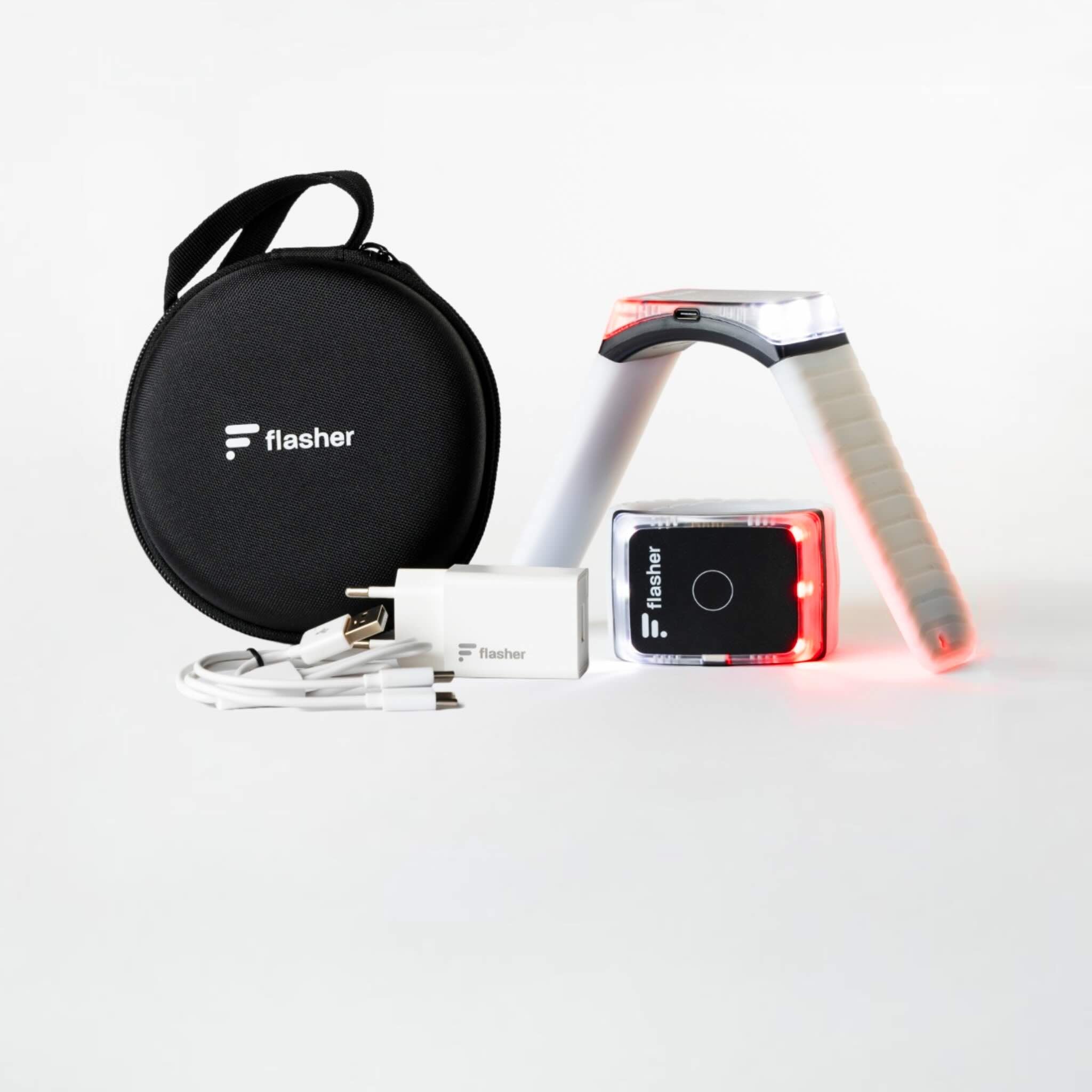
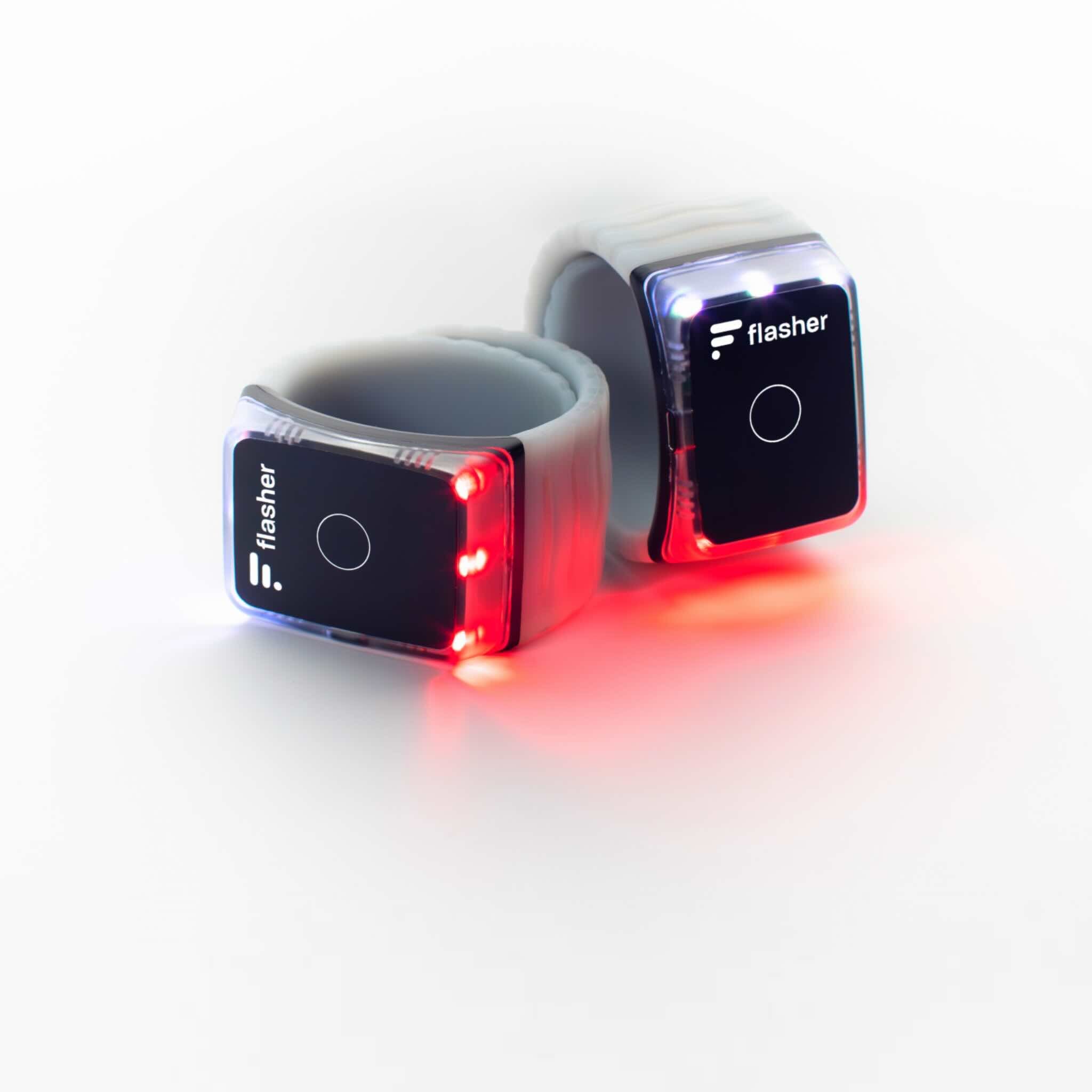
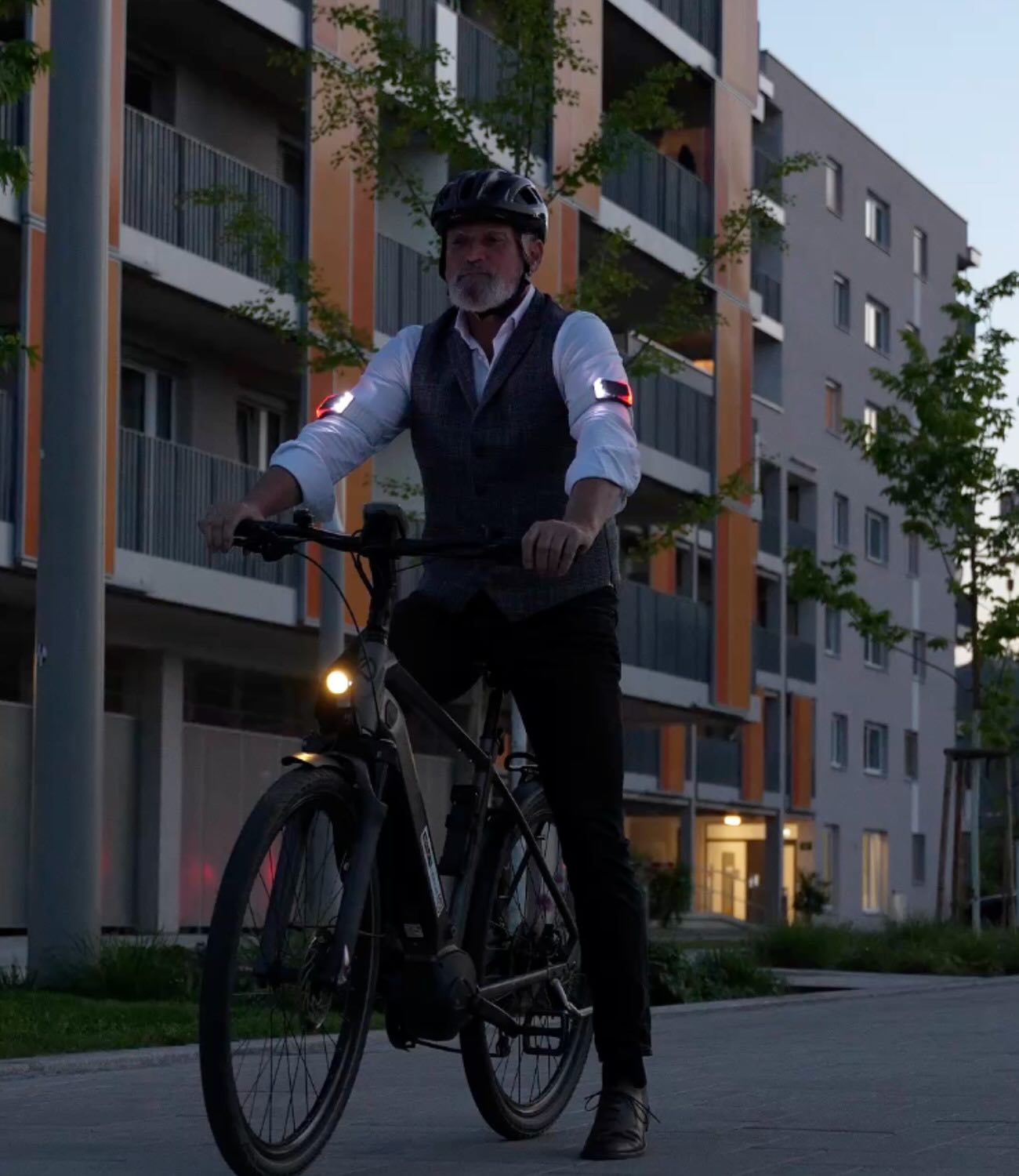
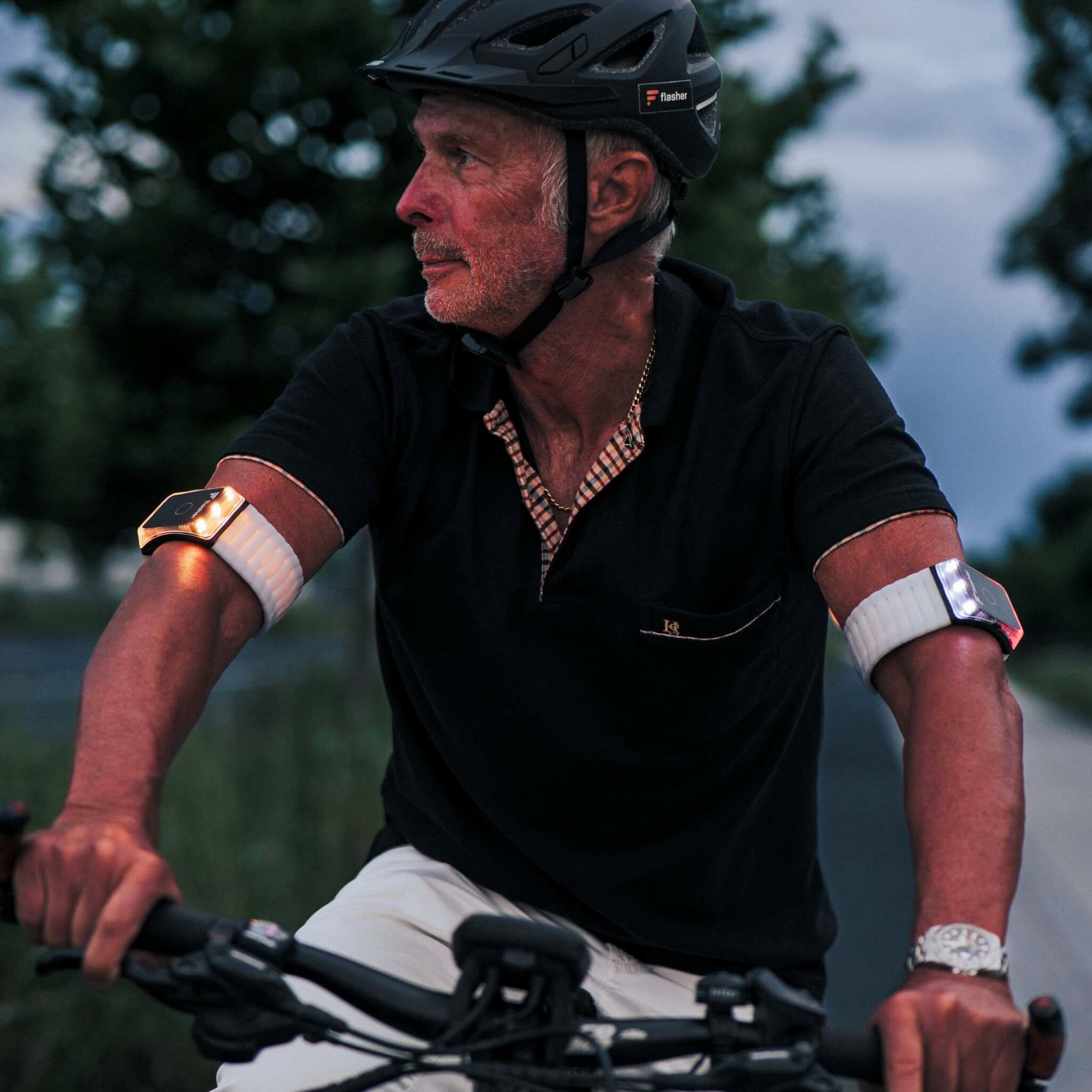
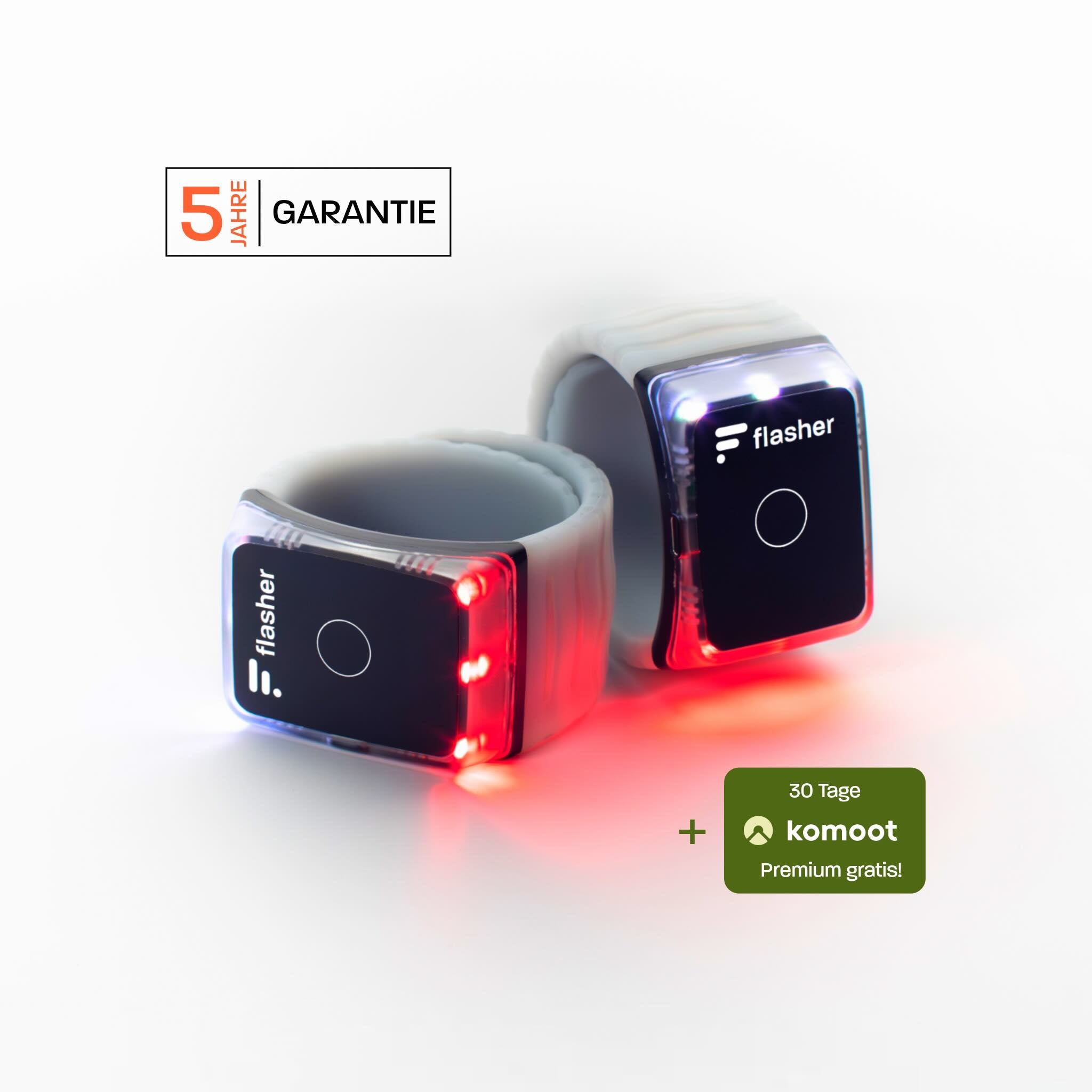
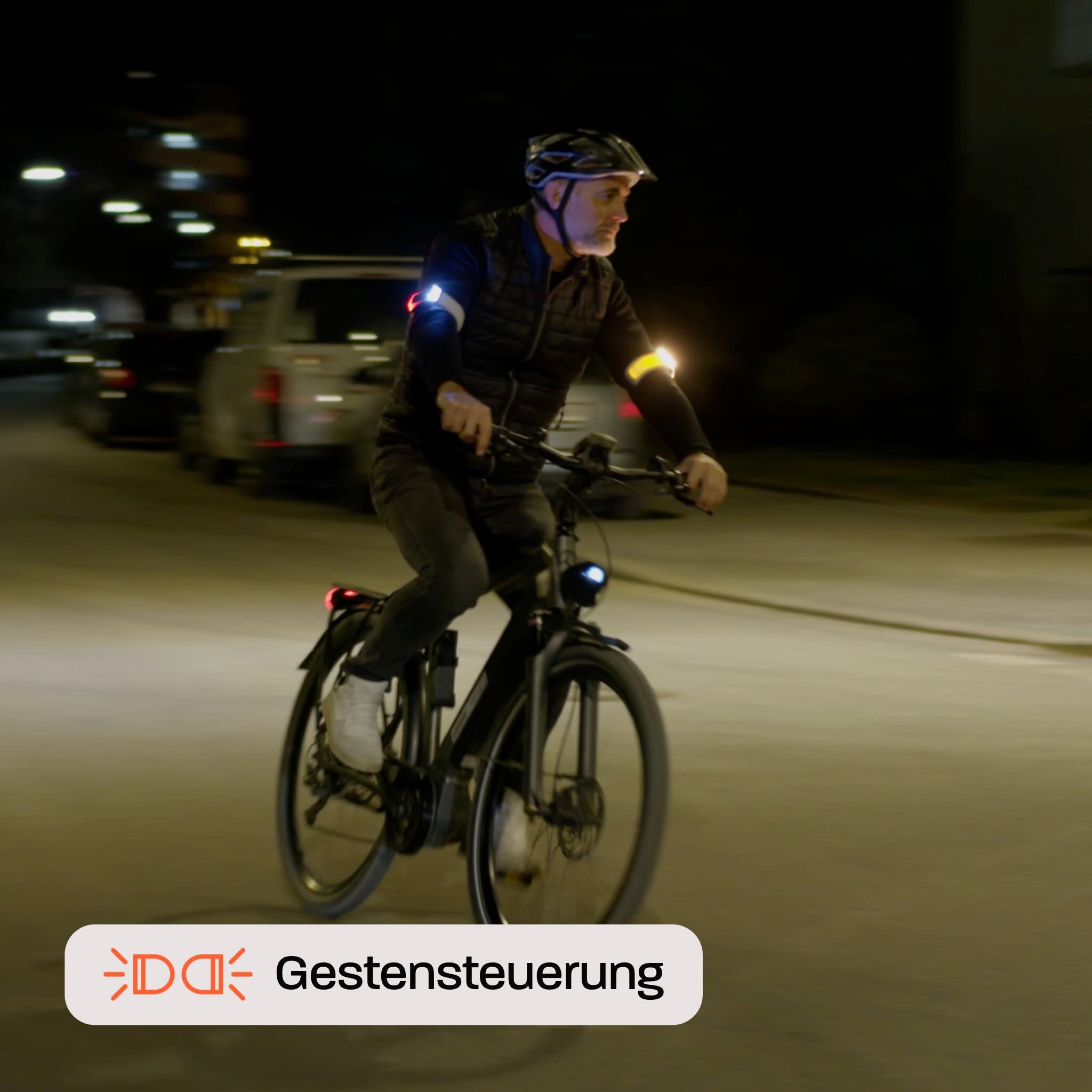
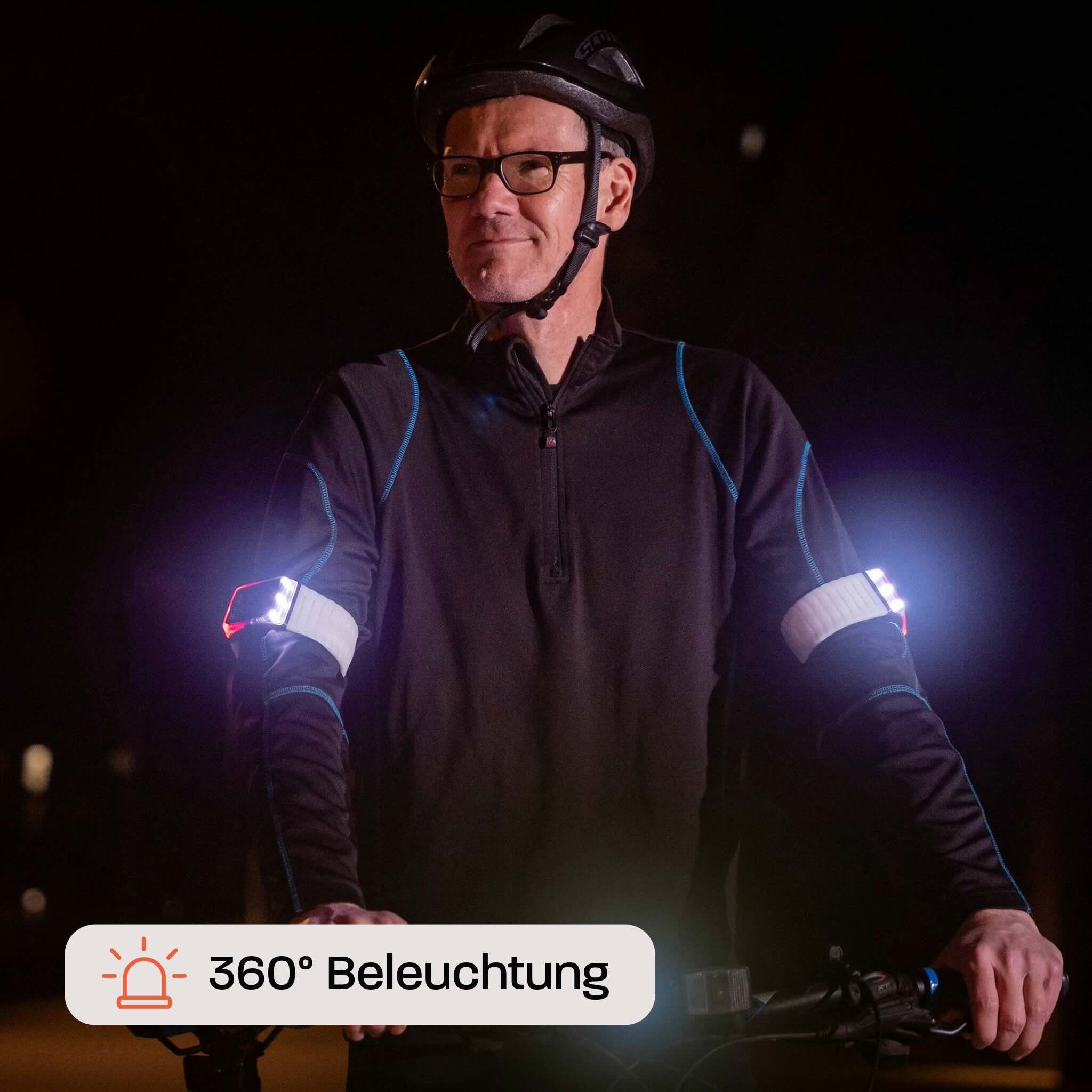
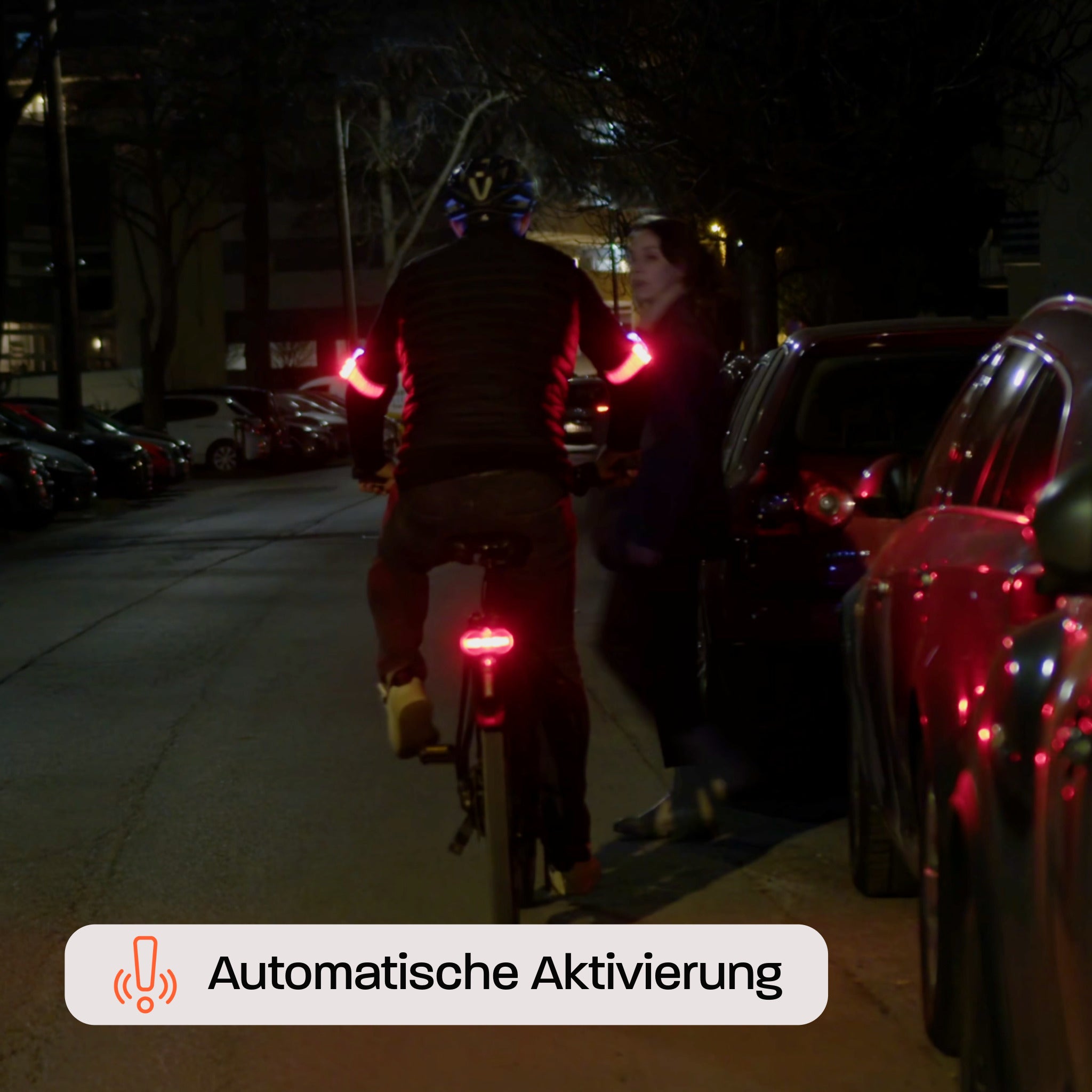
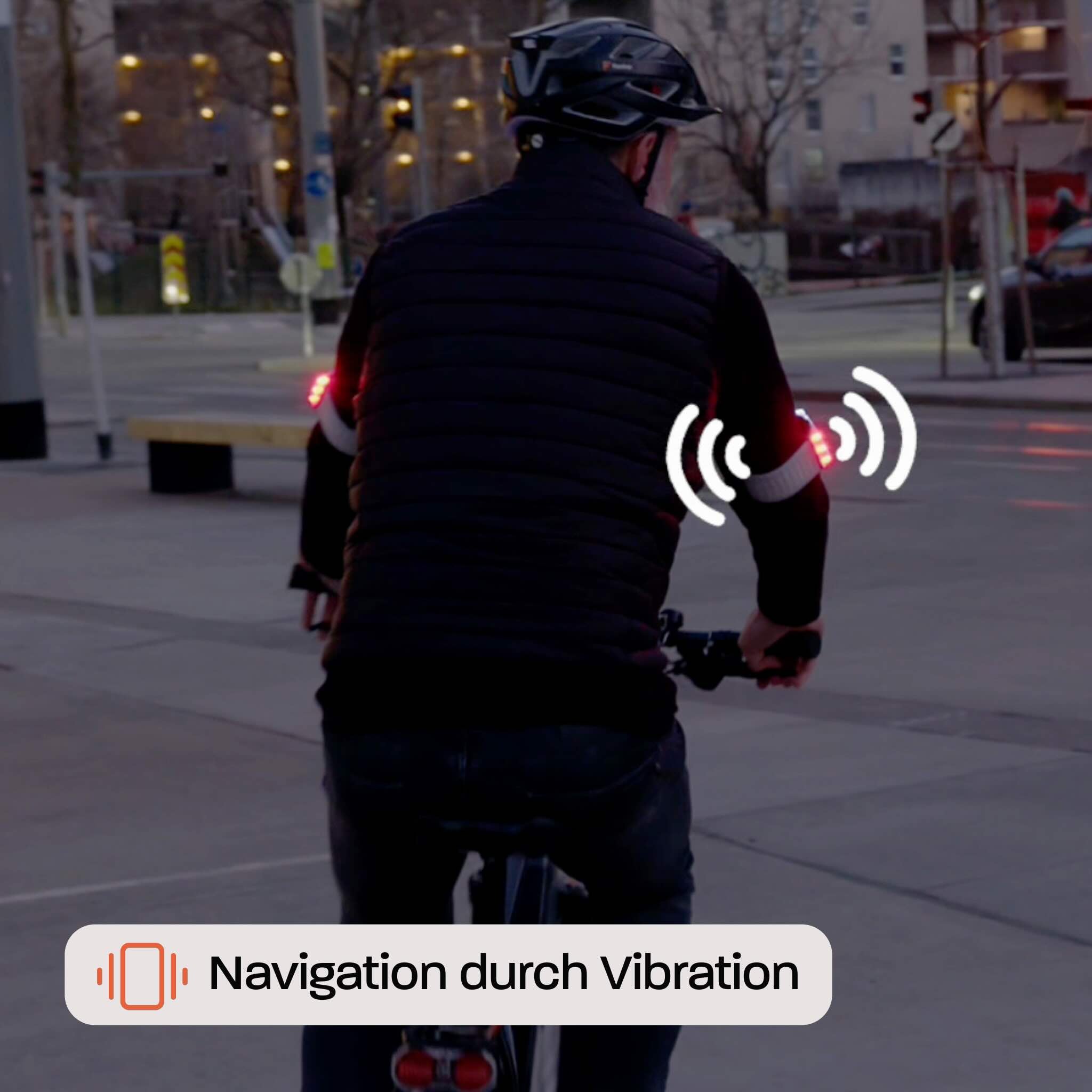
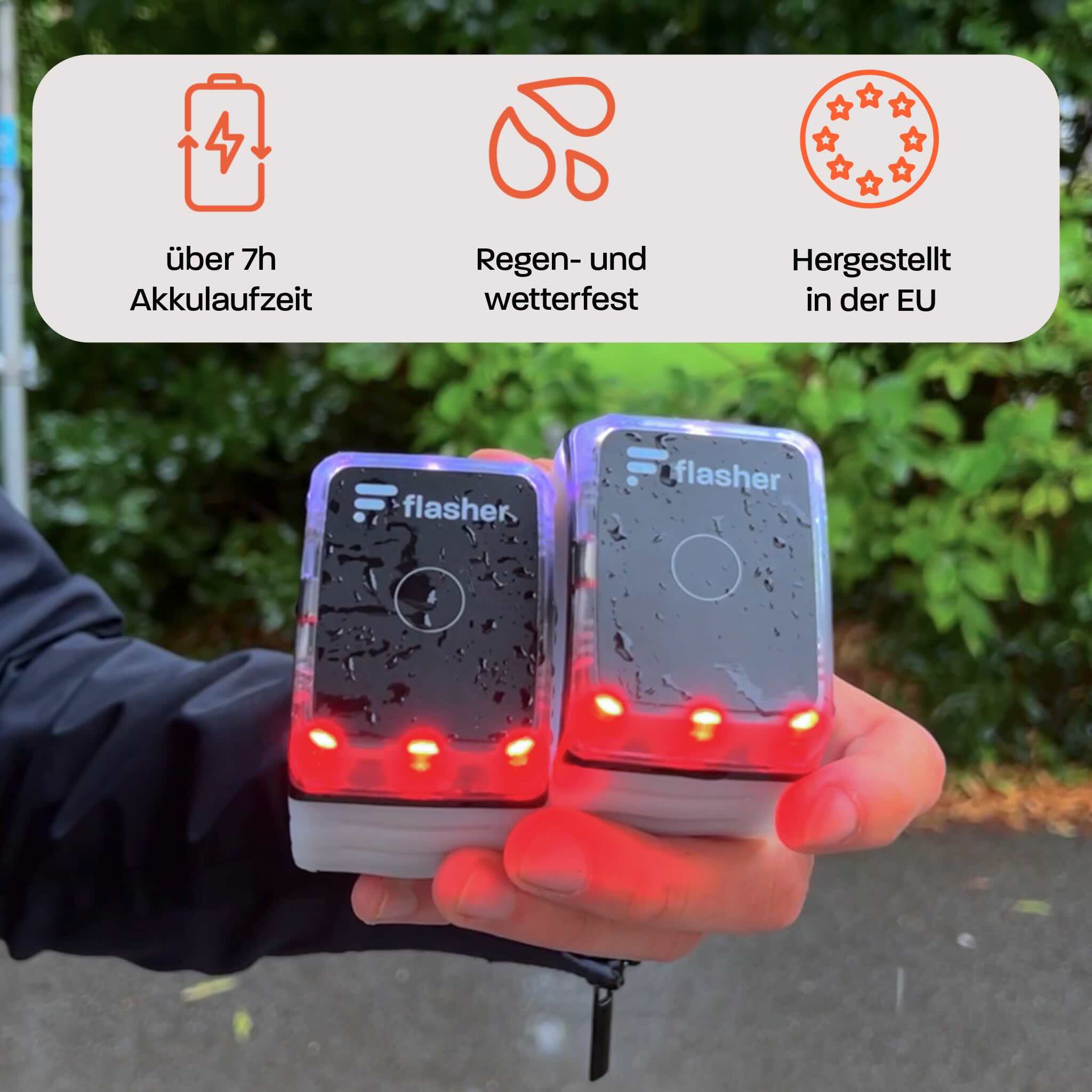
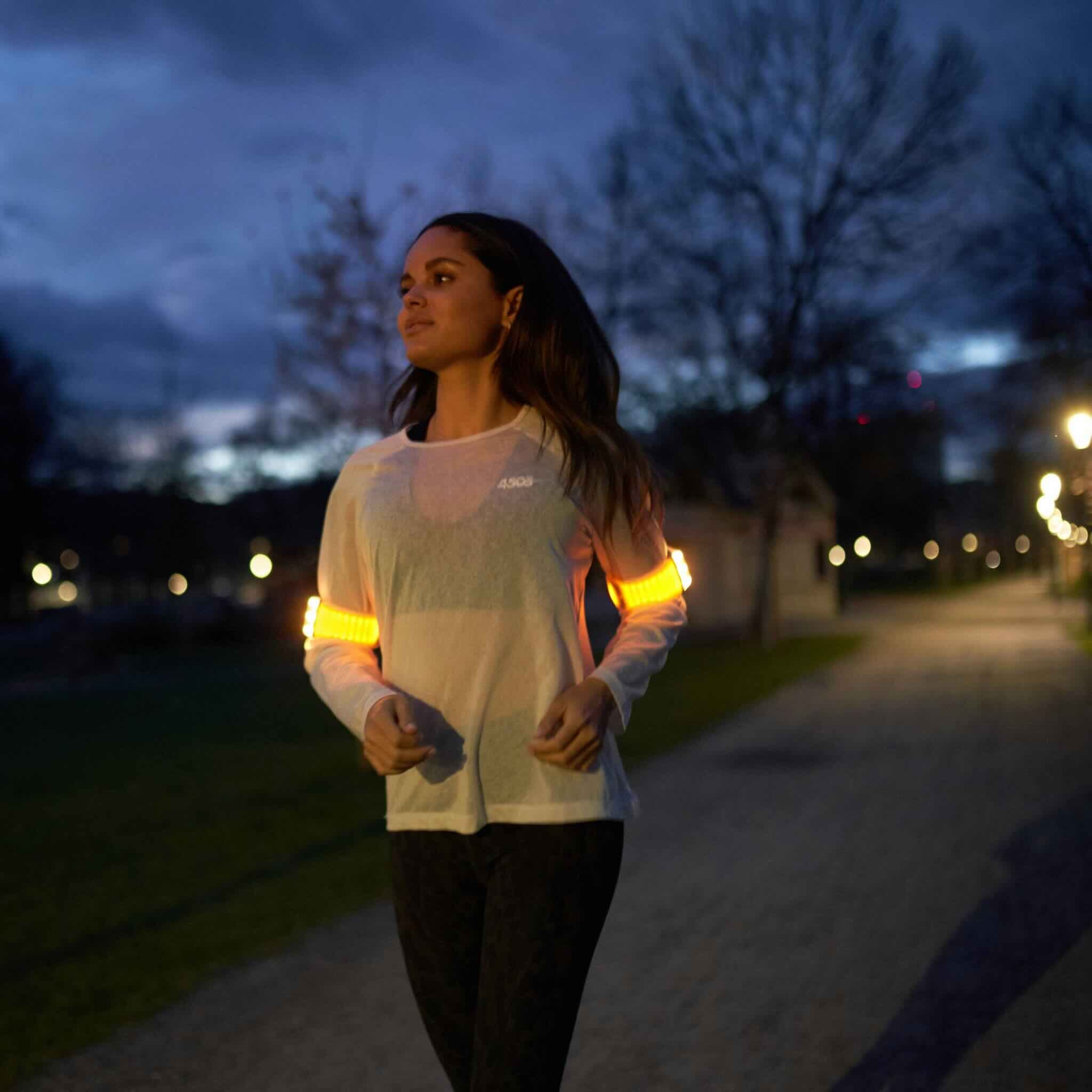
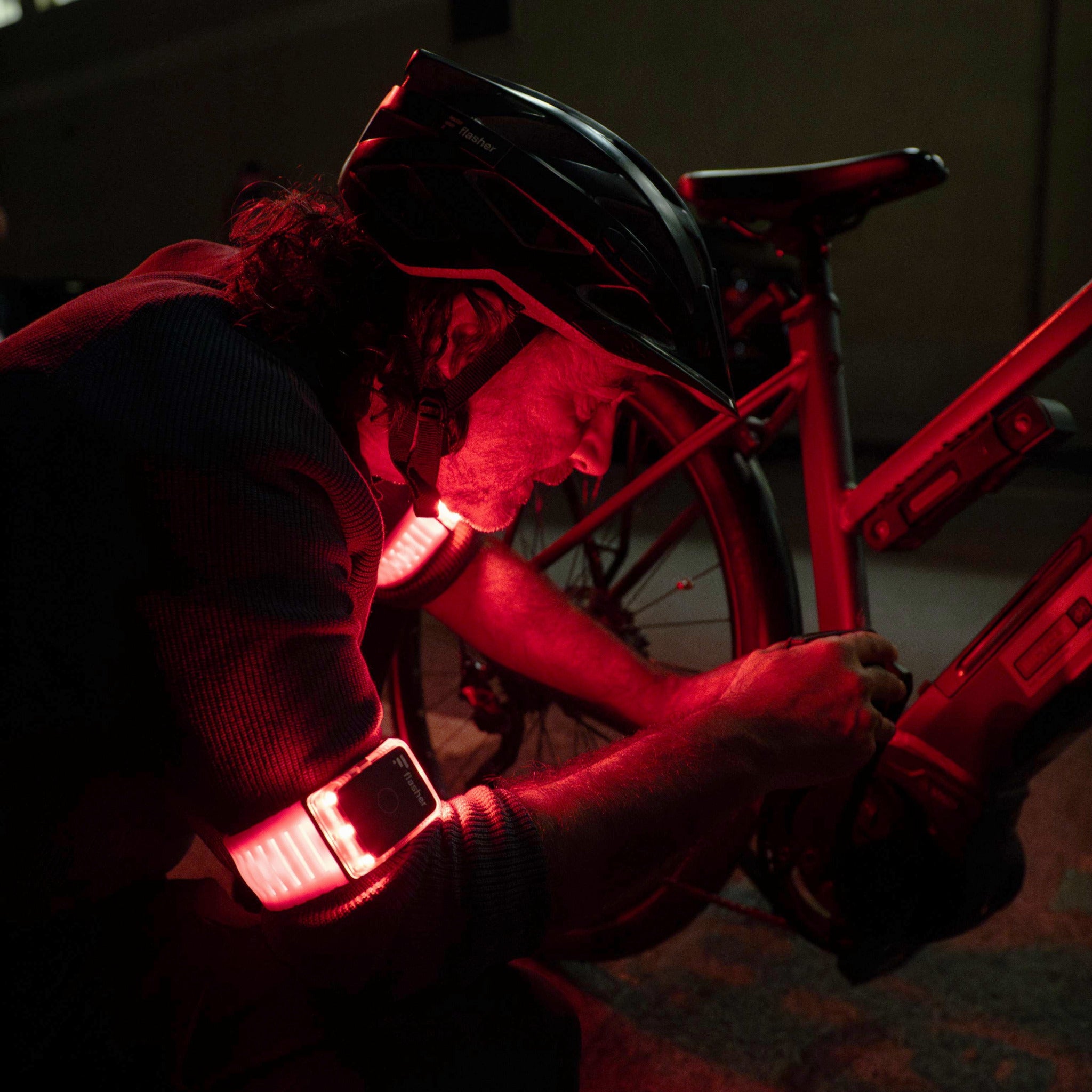
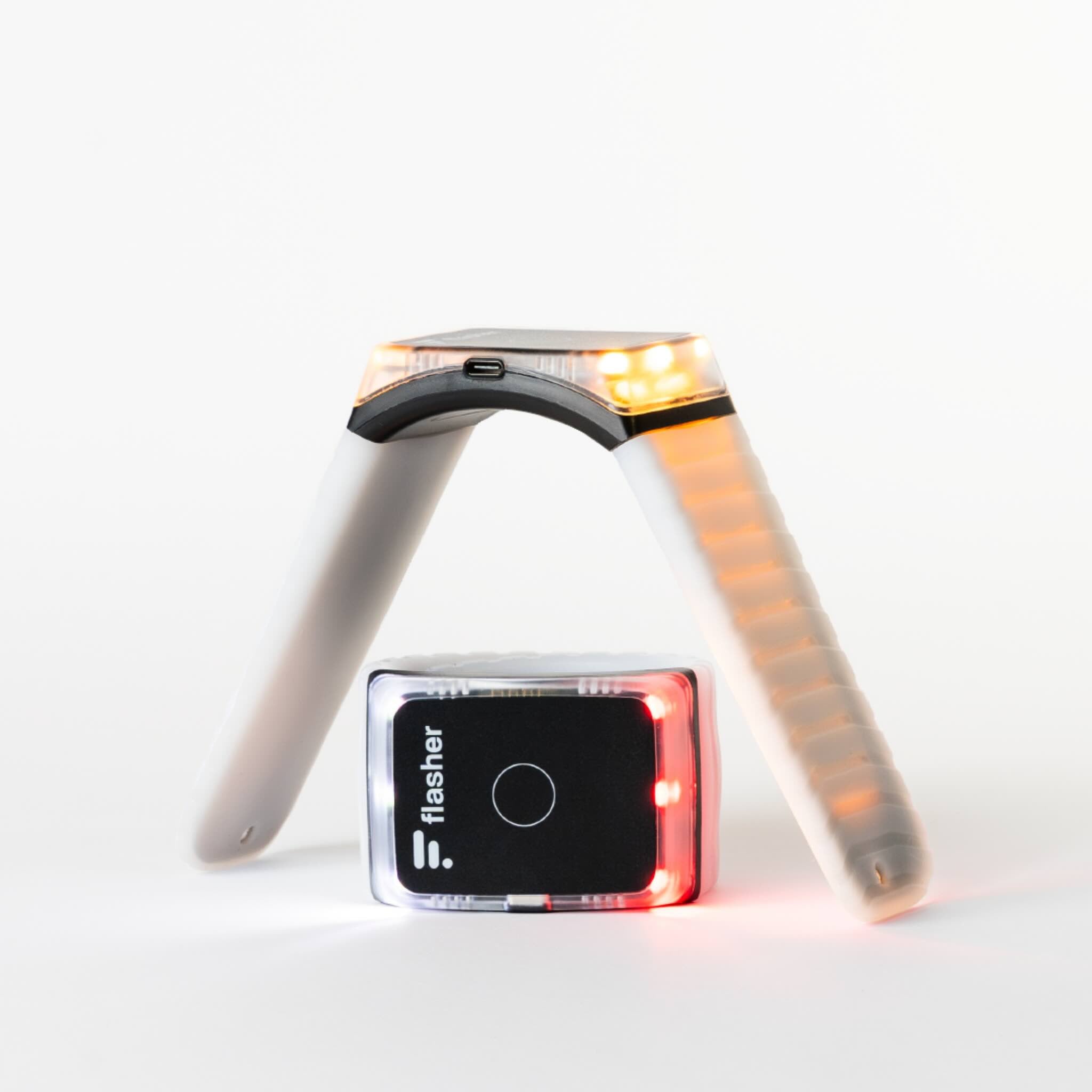
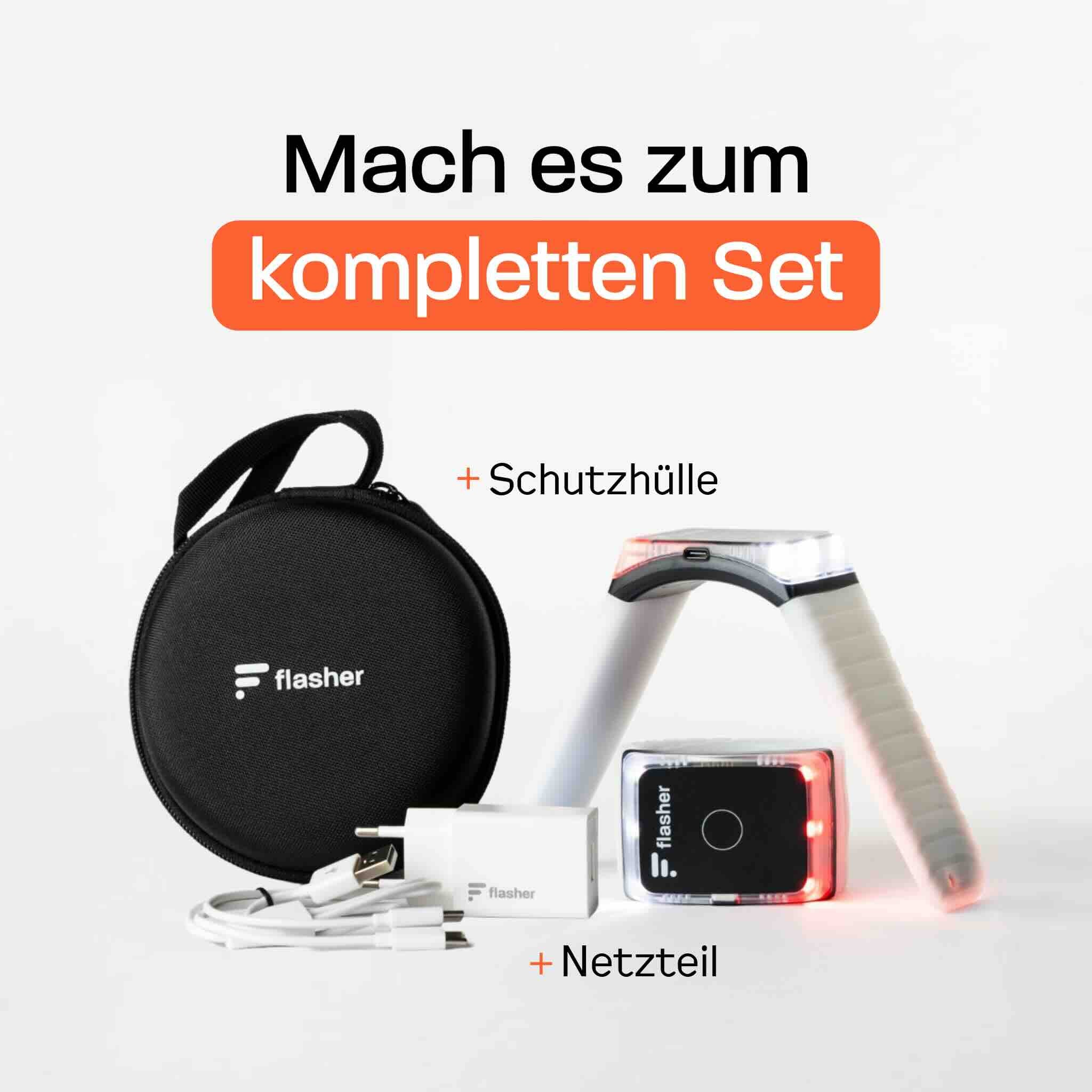
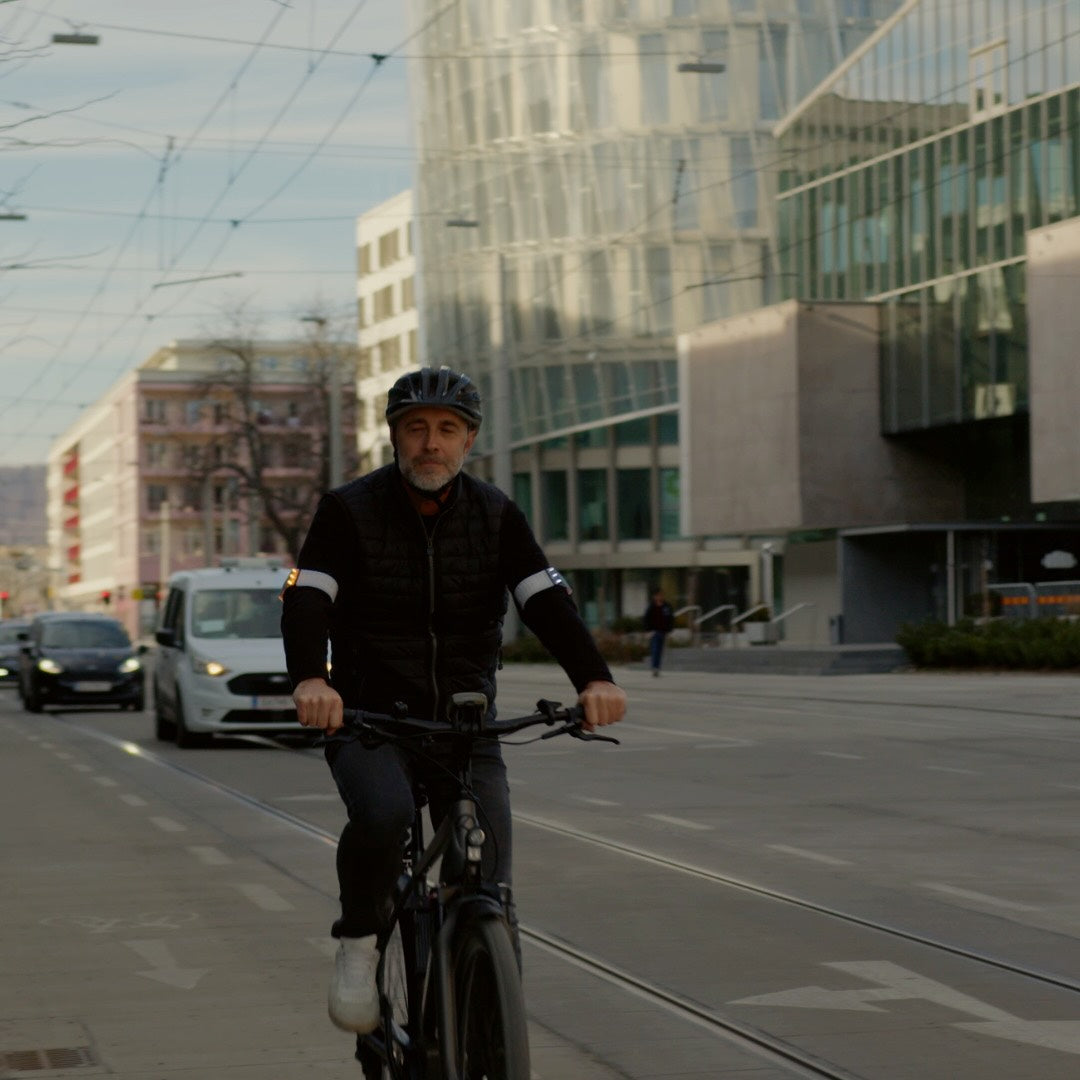
Especially at increasing speeds, it is crucial for e-bike and S-bike riders to be clearly visible , maintain a stable ride , and communicate effectively with other road users. Flasher armbands not only enhance visibility with bright lights but also enable clear communication with other road users thanks to integrated turn signals and brake lights, without compromising stability. This allows e-bike riders to actively improve their safety without the need for complex modifications to their bicycles.

Conclusion: A balancing act for manufacturers
Manufacturers will have to consider whether to follow the ZIV's non-binding guidelines or speculate that the EU will not further tighten its regulations. For drivers, however, maximizing their own road safety remains crucial, regardless of future rules.