

February 28, 2025
28. Februar 2025
Anyone who hasn't been cycling all winter can now look forward to spring and the start of the cycling season, which is just around the corner!
To ensure you start off with maximum safety again this year, you should check a few things on your bike before you hop in the saddle:
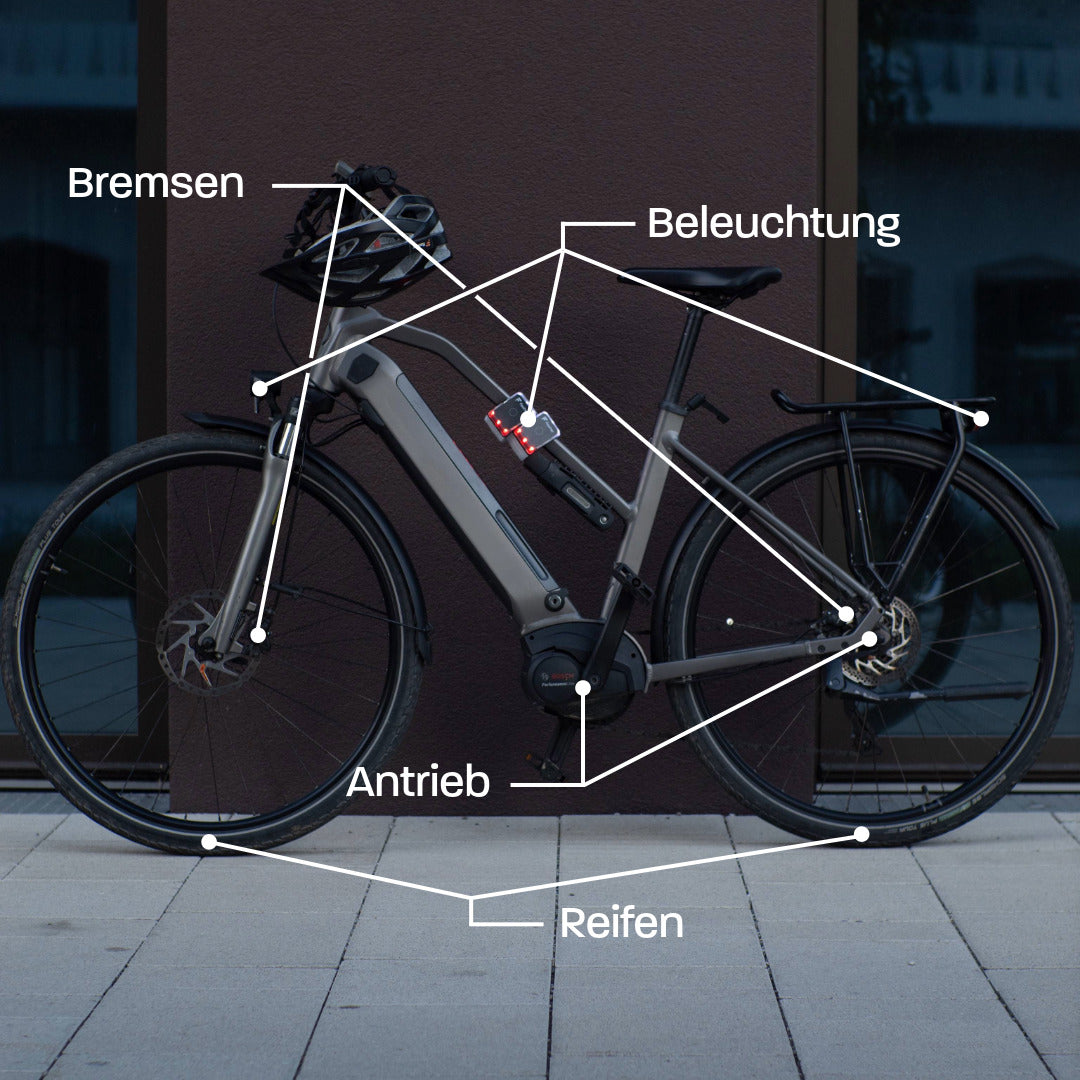
The most important checkpoints for the start of the cycling season
- Note the presence of the mandatory equipment
- Check lighting
- Check brakes
- Check drive
- Check tires
The checklist in detail
The mandatory equipment
The mandatory equipment varies slightly from country to country. You can find the details here > To the article "The roadworthy bicycle."
Basically, these things are definitely part of the legally required minimum equipment:
- headlights
- Rear light/tail light
- Reflectors (white at the front, red at the back, on the spokes or on the side of the wheel, on the pedals)
- a bell or horn
- Two working brakes!
Furthermore, you should also have at least the minimum safety equipment with you:
- A helmet (make sure it's the right size and fit!)
- A clearly visible turn signal that is recognizable from the front and rear.
- a brake light to prevent rear-end collisions
- Lighting should ideally be positioned directly within the field of vision of surrounding traffic.
Brightly shining into the cycling season
Hopefully not surprisingly, lights are mandatory equipment on bicycles in spring and summer as well. Furthermore, they must be functional! Because unless you only ever ride during the day and always go straight ahead, 100% on cycle paths – let's be honest, who does that apply to? – you need lights to see traffic clearly, to be seen, and to reliably signal your presence to other road users.
Therefore, make sure the alternator is working and that the headlights and taillights are actually functioning. If the lights are battery-powered, ensure the batteries are sufficiently charged and that the contacts are not corroded.
You should also clean reflectors and lights at least once with water and soapy water so that they fulfill their purpose properly.
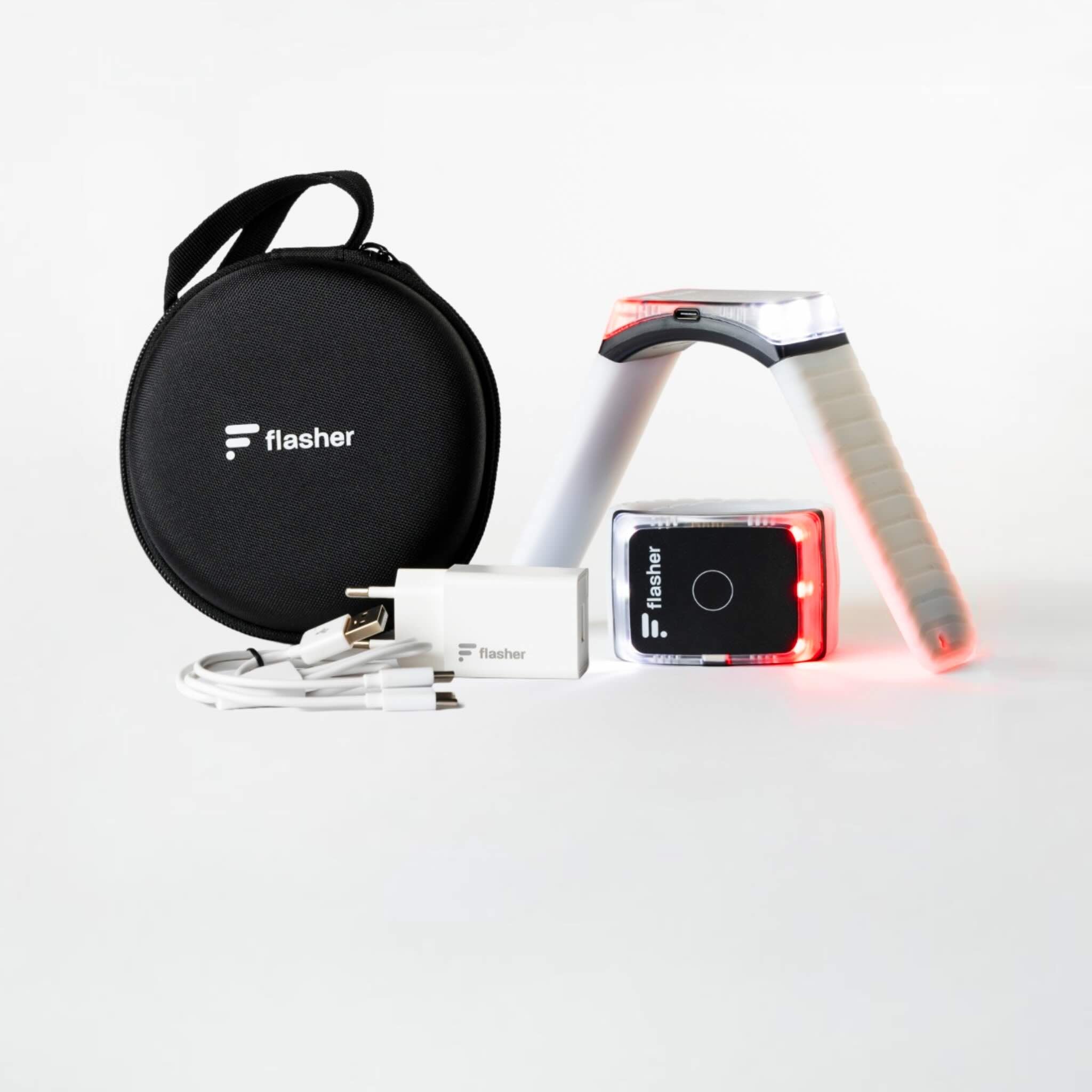
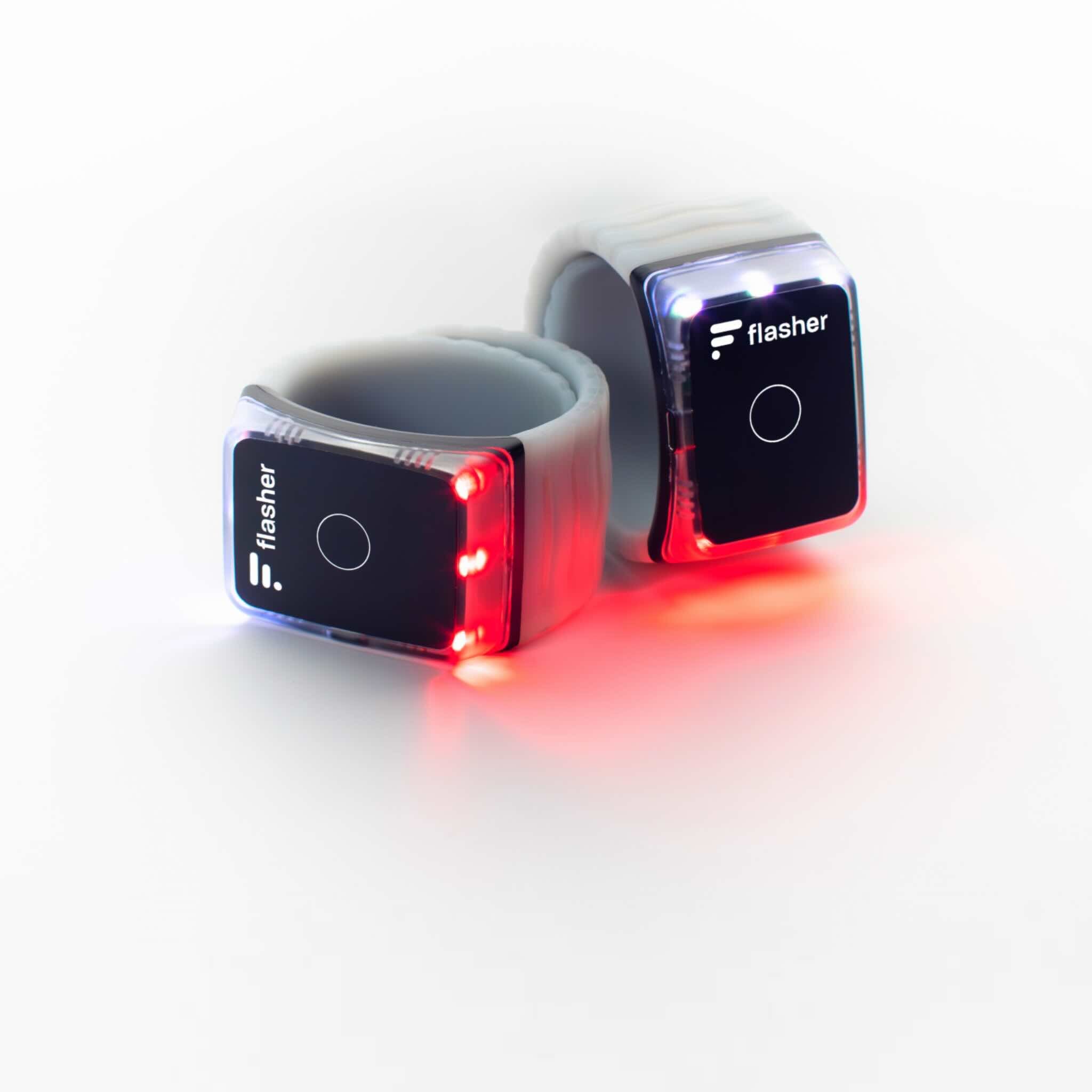
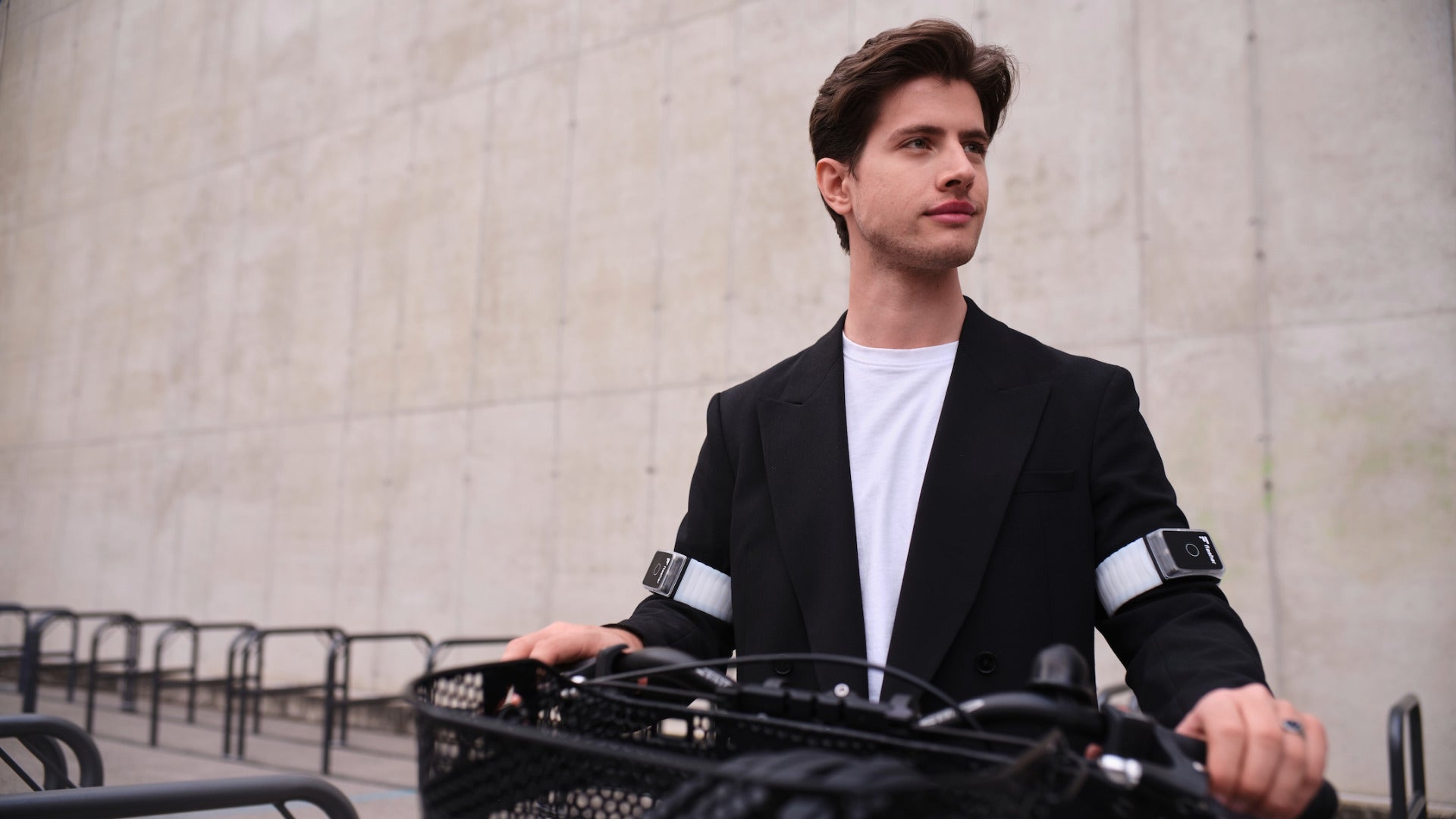
In darkness, at dusk, on days with bad weather , and even during the day when turning and braking, you should maximize your visibility with flashers.
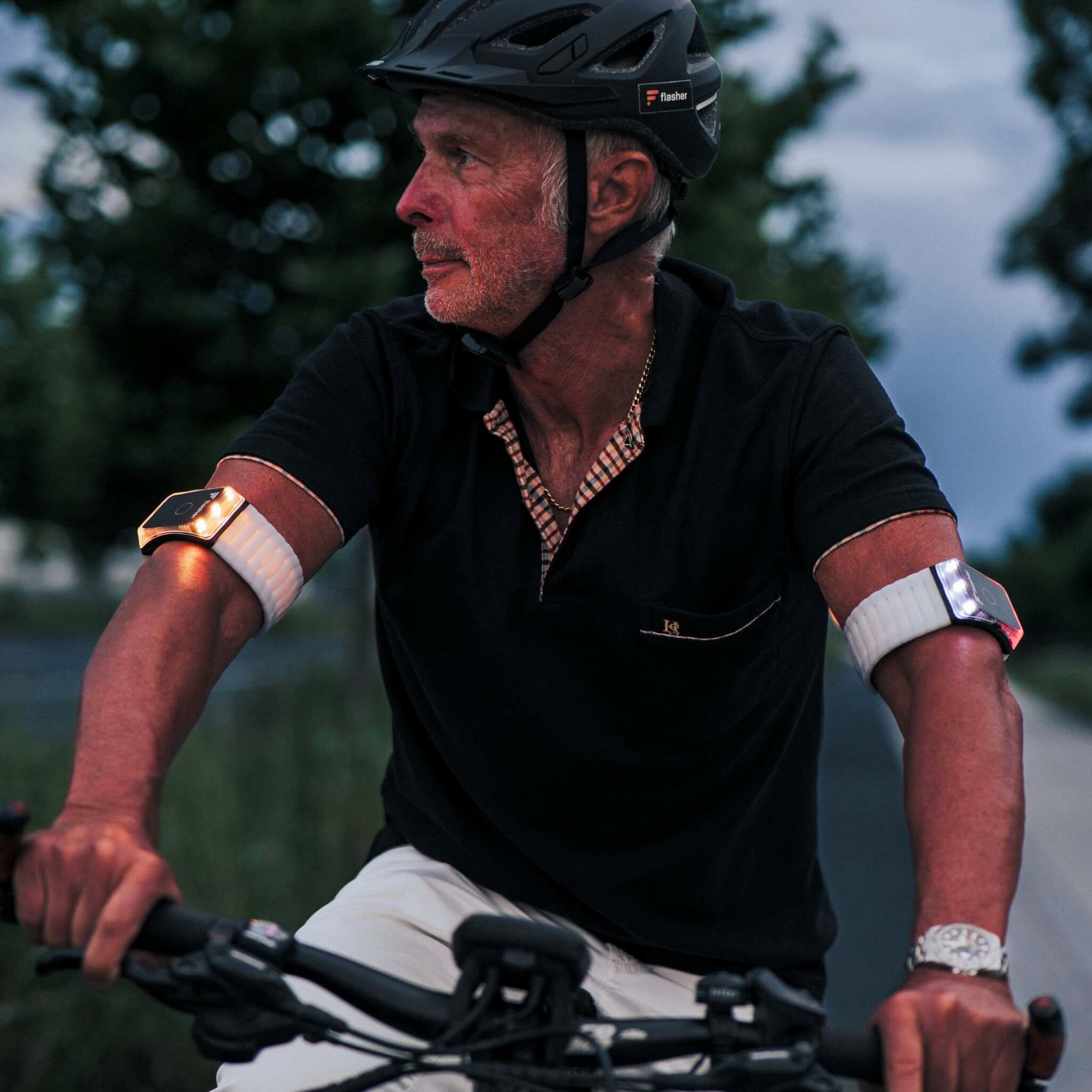
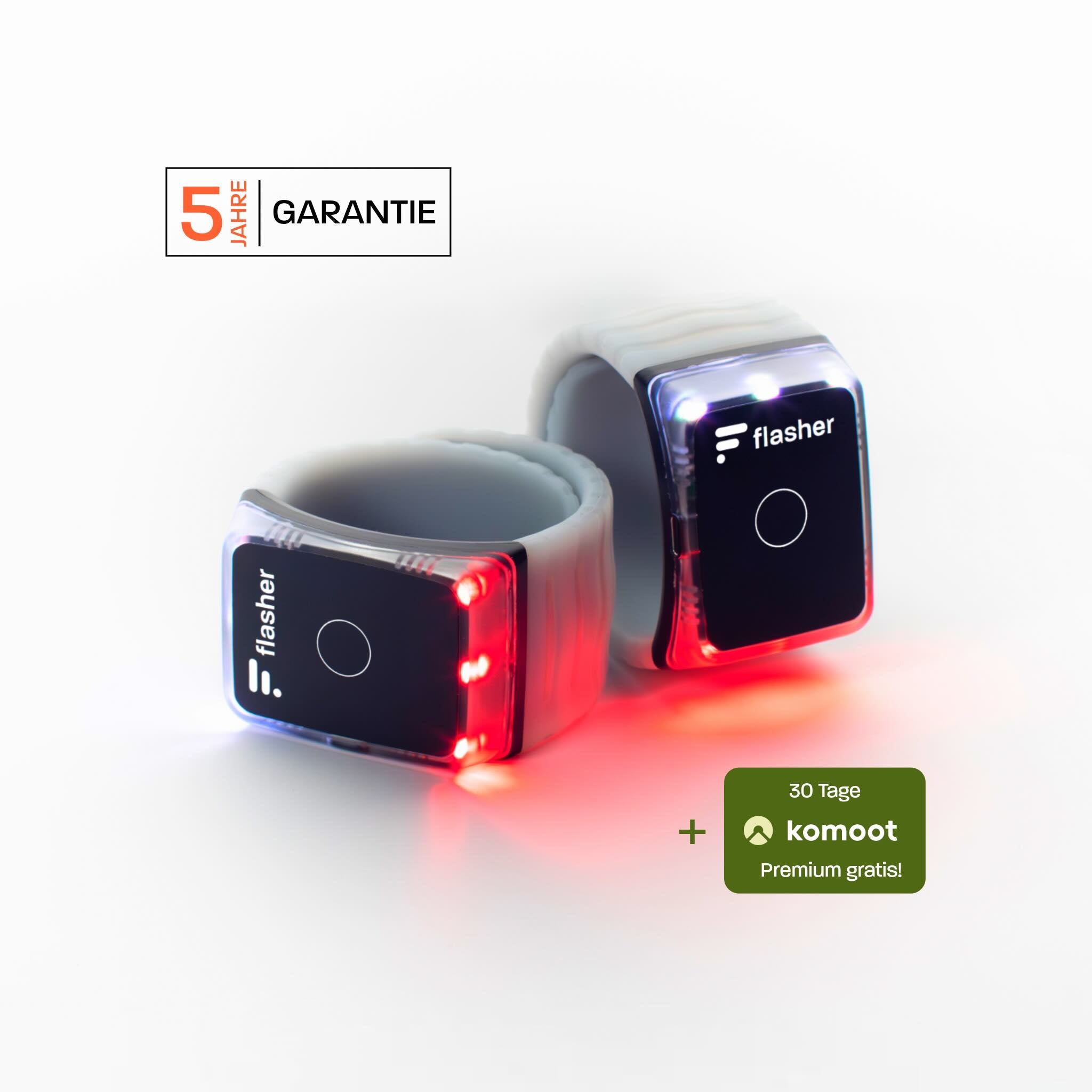

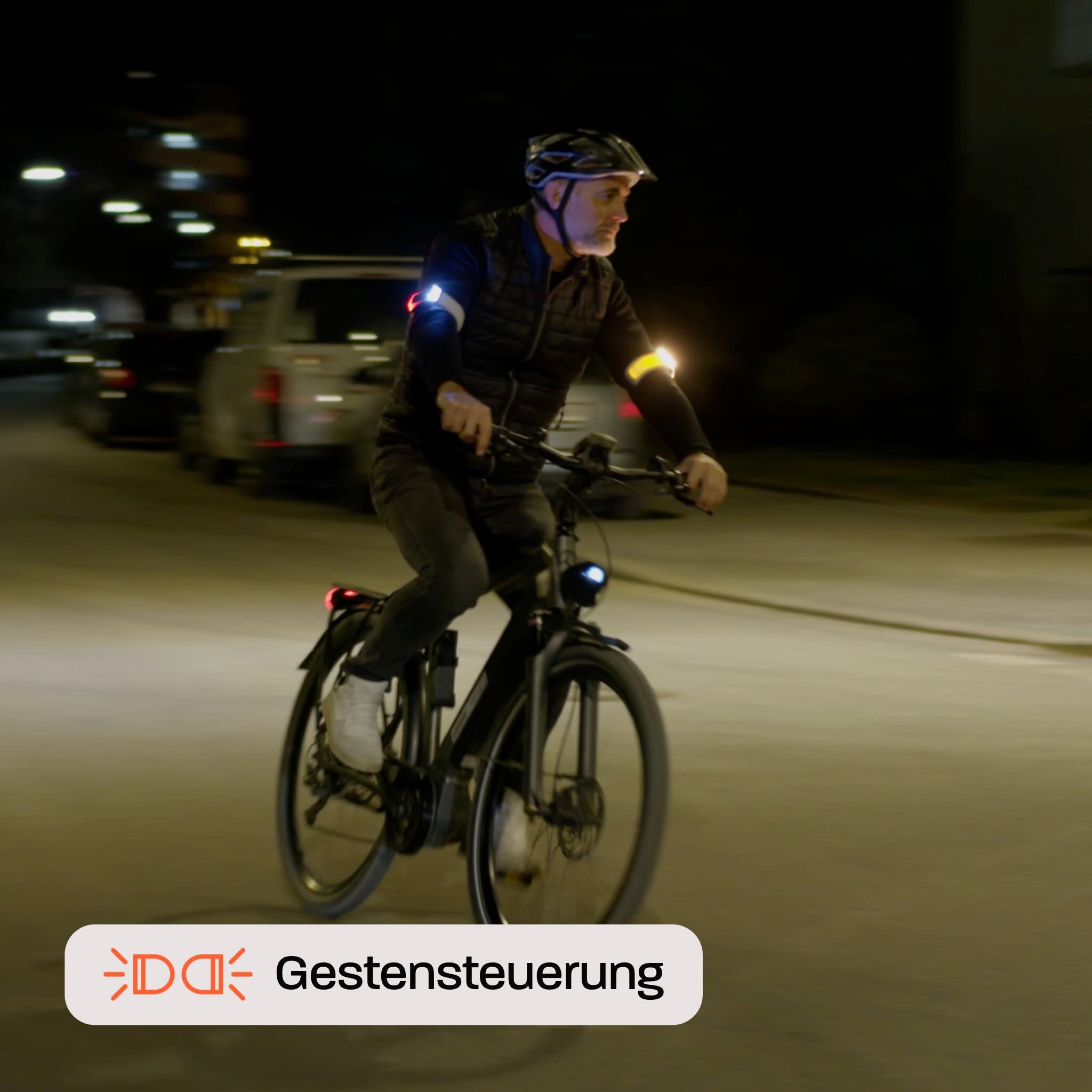
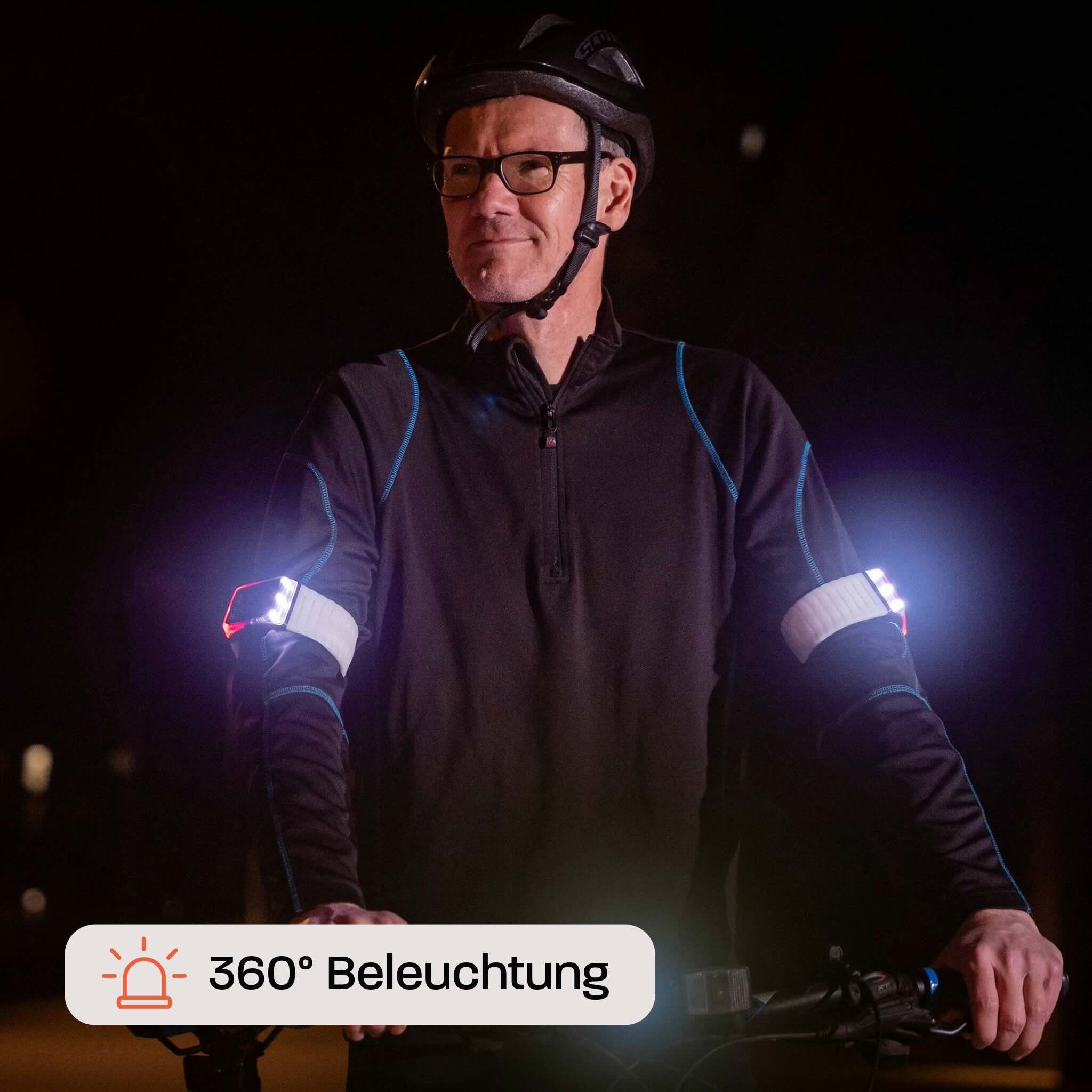
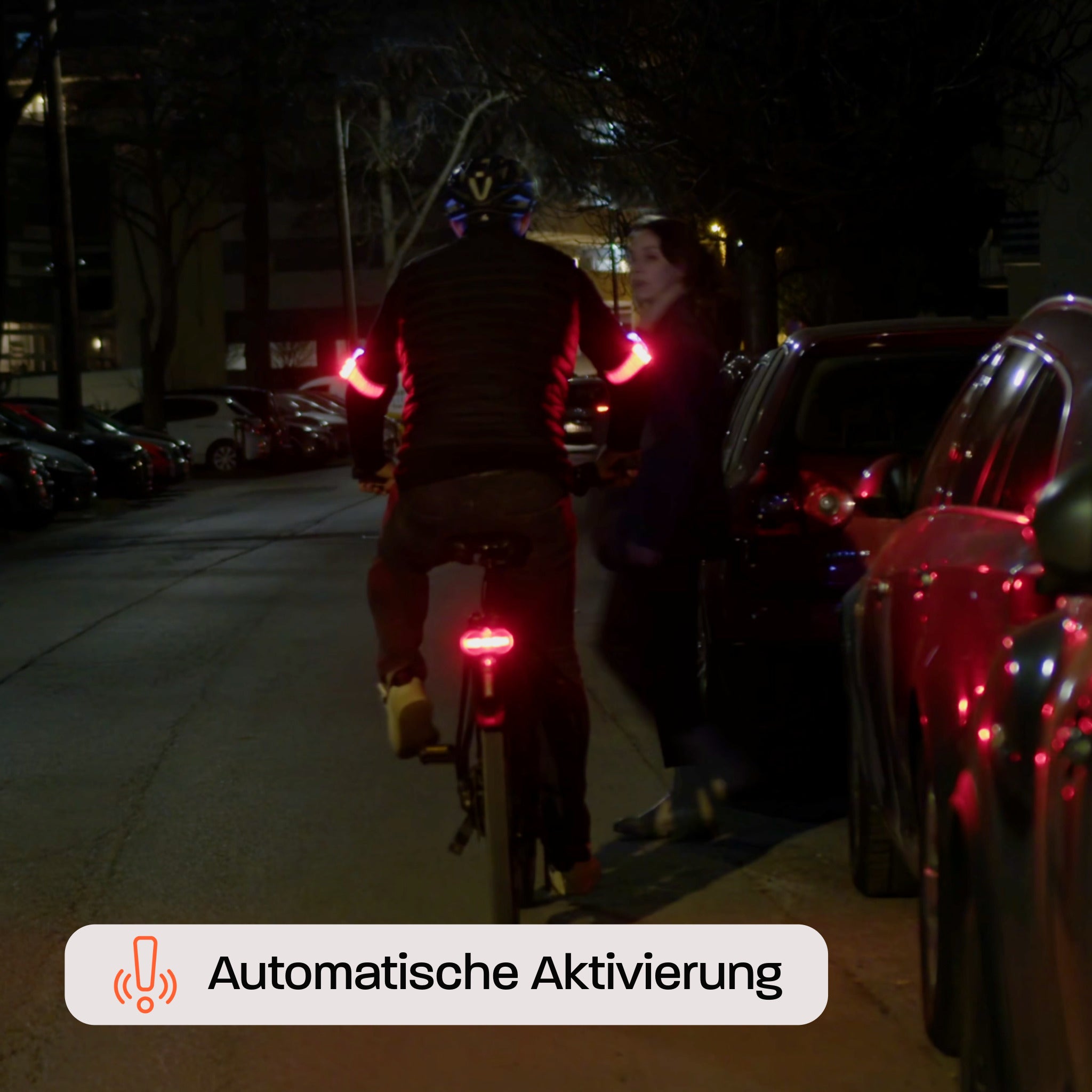
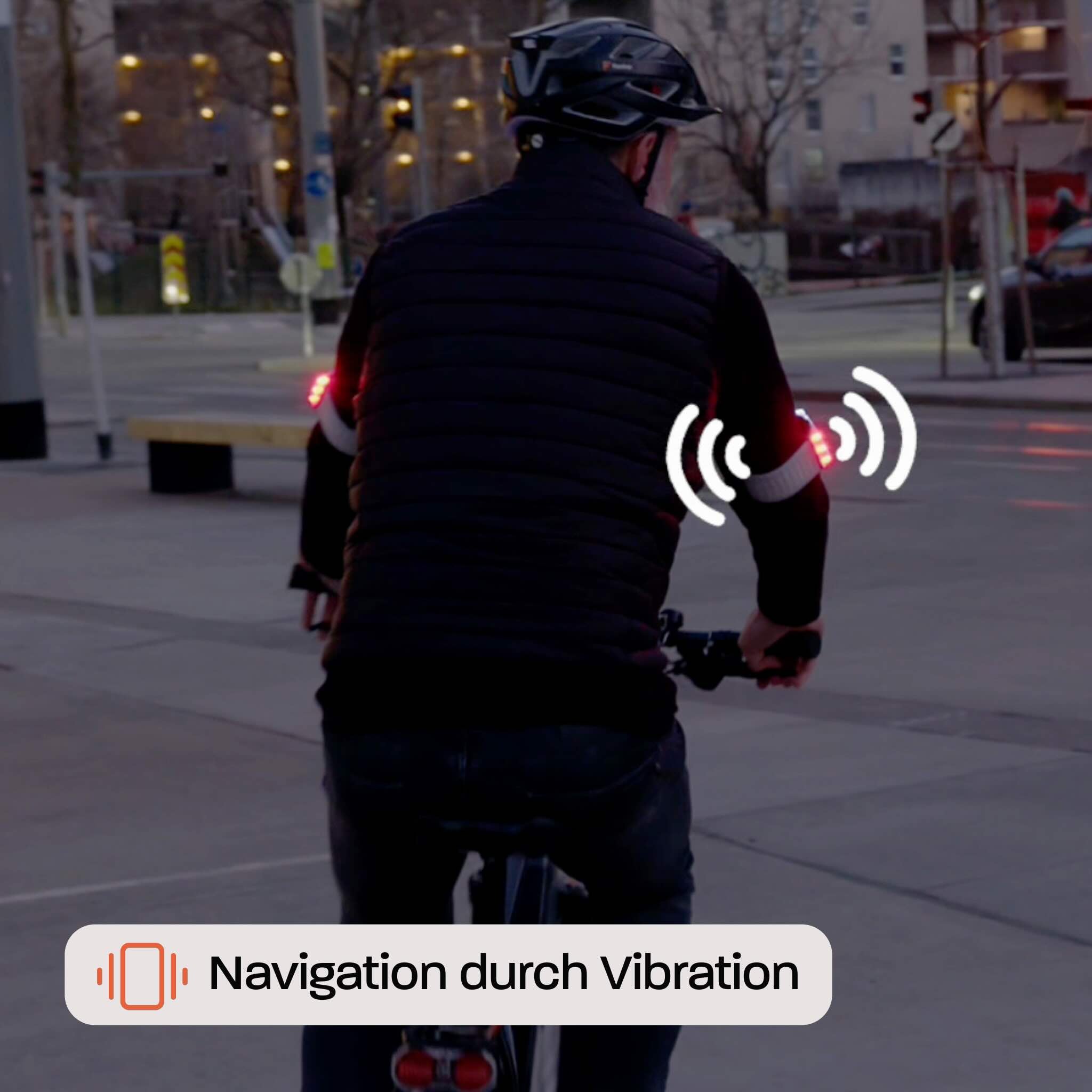
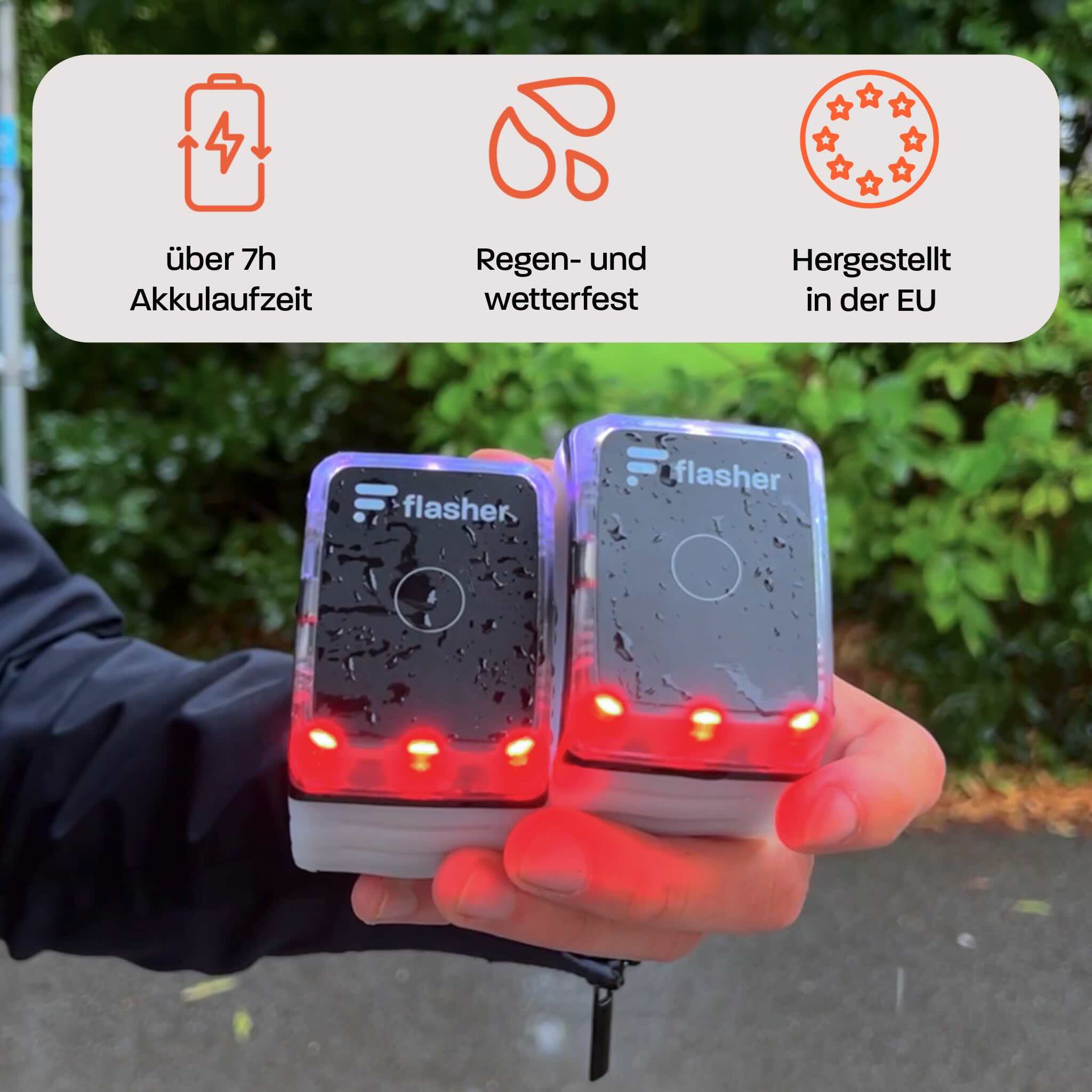
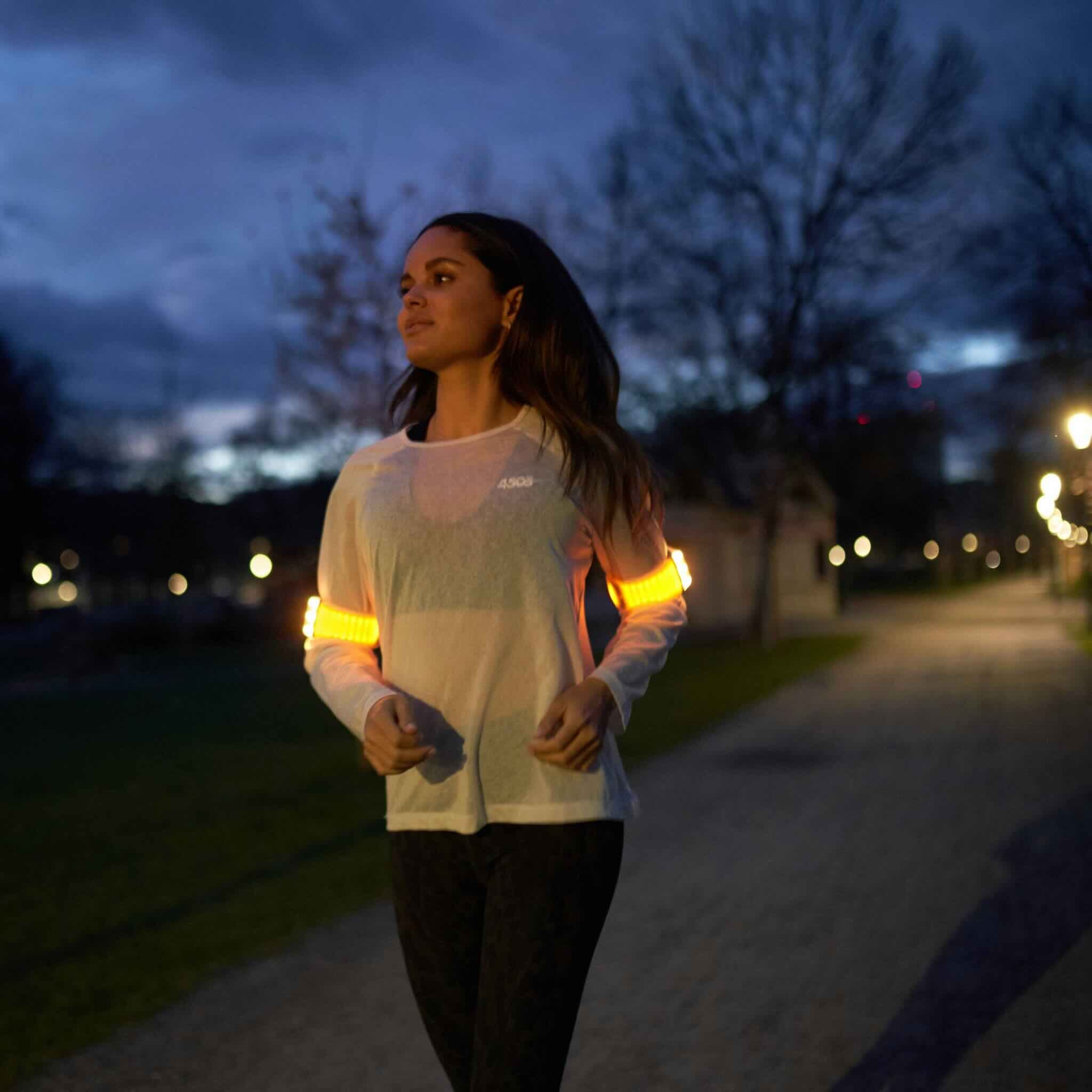
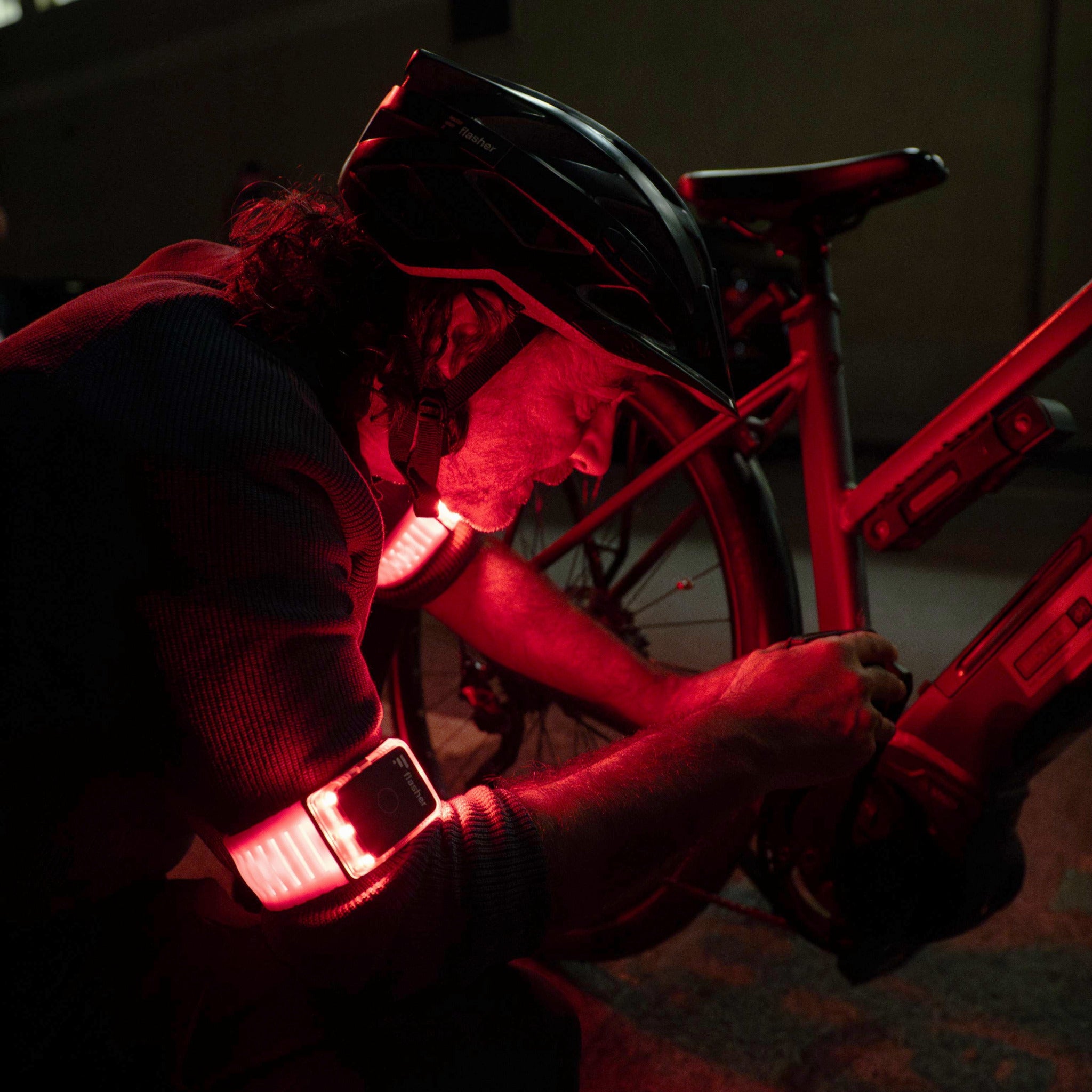
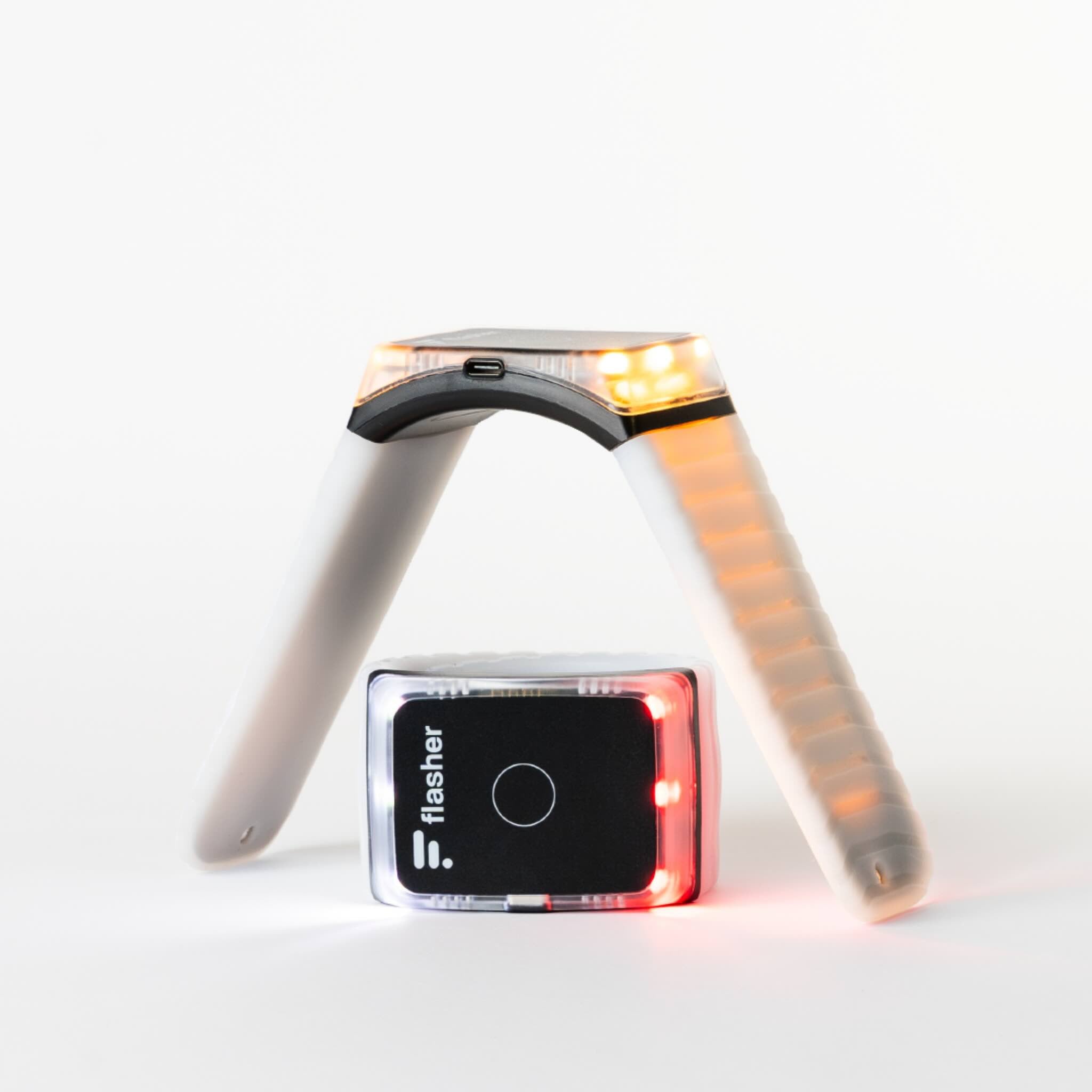
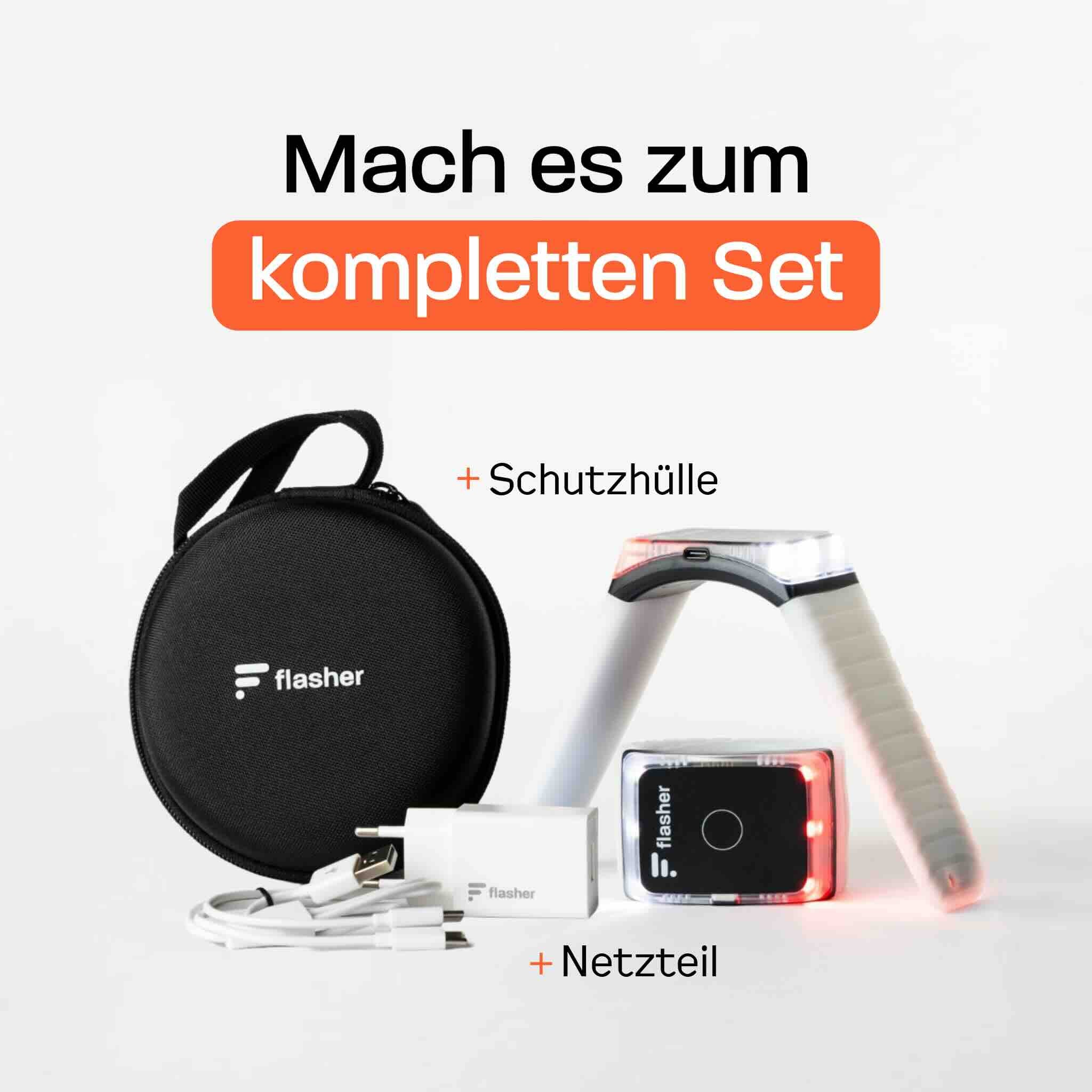
Flasher Duo
The patented, road traffic regulations-compliant high-tech armbands for maximum safety on the bicycle.
Lifesaving brakes
The brakes are the most important part of your bicycle. If the brakes don't work, the bike won't go far; in the worst case, nothing will happen.
If the brakes don't work, you'll already be moving at speed and won't be able to stop safely. Therefore, you absolutely must check that your brakes are working properly before your first ride.
- Are the brake shoes worn out or do they grip sufficiently?
- Are the brake cables adjusted correctly, or have they warped over the winter?
- Are any parts of the brake rusty or dirty?
If you're unsure, it's advisable to have your brakes checked by a professional. Prevention is better than cure in this case.
Are the tires rolling correctly?
Your tires are the only two points of contact with the road and affect your grip. If you let some air out during the winter to increase the contact patch, you can inflate them again once the risk of ice and snow has passed. This will require less effort when pedaling and make it easier to move forward.
The tires should also be checked for obvious damage to the tire casing. Depending on the age and quality of the tire, the gravel spread in winter can be a real test for your tires.
By the way: even in spring, gravel often remains in places for a long time. This can be a tripping hazard for cyclists. Adjust your speed to the surface to avoid slipping on the gravel.
Check chain and sprockets
The drivetrain suffers from the elements and road salt during winter. Therefore, check for any rust spots on the chain, sprockets, or gear cables.
Before your first ride, make sure the chain is properly tensioned and the front and rear sprockets aren't bent. Also check that the shift cables are moving smoothly. If necessary, you can adjust the gears using the adjustment screws on the derailleur (near the pedals/rear wheel) or on the handlebars.
Apart from that, your chain and sprockets will benefit from a good cleaning and a dose of oil or grease at this point, so that everything runs smoothly and efficiently while pedaling.
On e-bikes, the battery is also part of the drive system. Make sure the battery is charged before your ride. Ideally, it should have been kept at a good charge level between 20% and 80% over the winter.
Basic cleaning for a clean start
If you complete the checklist above, you're sure to get off to a good start in the new season.
Furthermore, you could also give your bike a thorough cleaning. A shiny frame and clean tires not only make a good impression on the first ride, but also make it more enjoyable. Just remember to lubricate wear parts like the chain and sprockets after cleaning, and make sure the brake pads are completely dry before using them.