

See everything that is changing for bicycles on roads in Germany, Austria and Switzerland.
January 21, 2025
Das ändert sich für Fahrräder in Deutschland, Österreich und der Schweiz.
21. Januar 2025
The new year is bringing changes to road traffic laws in Germany, Austria and Switzerland. Learn all about them here:
Bicycle Laws Germany 2025
In October 2024, the newest amendment to the German road traffic ordinance (StVO) came into force, giving municipalities some new ways to designing bike infrastructure. The first effects will hopefully be actively noticeable from spring 2025, when the associated administrative regulations are adopted. The StVO 2024 particularly facilitates the construction of
- bike lanes
- (cargo) bicycle parking spaces
- bicycle streets
- 30 km/h sections
No special local hazard situation required anymore
Previously, municipalities had to prove that there was a particular local hazard situation in order to build cycle lanes, cycle streets, bicycle parking spaces or facilities that prevent cars from using such facilities (such as bollards). This criterion has been significantly relaxed, allowing municipalities to create infrastrucure for additional reasons, such asclimate protection or urban development.
New cycle lanes and bicycle parking spaces can also replace existing car parking spaces.
30 km/h sections
Municipalities were able to set up 30 km/h speed limits in front of daycare centers, schools and hospitals. The changes now make it easier to set up speed limits in front of zebra crossings, playgrounds, school routes and facilities for people with disabilities.
Gaps between existing 30 km/h sections can be connected by new 30 km/h sections, provided that they are no longer than 500 metres.
New bicycle laws in Switzerland
Before looking at new developments for 2025, a quick reminder of changes that became active on April 1, 2024: new e-bikes in Switzerland have to be equipped with a speedometer. Anyone who already owns an older e-velo, this requirement will only be active starting April 1, 2027.
Now, 2025 brings changes regarding
- a new category of e-bikes, called "heavy motorized electric bikes"
- new cargo bike parking spaces
- transporting children in cargo bikes
- the right to use cycle paths on e-bikes
Heavy motorized electric bikes
Heavy motorized electric bikes will become a distinct vehicle category starting June 1, 2025, which is different from small motorbikes.
Heavy e-bikes can weigh up to 450 kg, improving usability of cargo bikes for logistics and businesses within cities.
Parking for cargo bikes and trailers
Legislation gives municipalities the option to create parking spaces specifically for cargo bikes and bicycles towing trailers. This change increases the appeal of bike traffic, especially when placed along shopping streets. If communities find good places remains to be seen.
More children in protected child seats
From July 1, more children can be transported on cargo bikes, namely as many as there are protected children's seats, as designated by the manufacturer. The rigid limit of 2 kids per bike is therefore a thing of the past.
Certain e-bikes are banned from cycle paths.
Municipalities can exempt fast and heavy electric bicycles from having to use certain cycling paths. These bikes are then also allowed to use the regular road, which is nice both for faster and slower cycles.
Current updates for Austria
In Austria, cycling traffic was last significantly revised in October 2022. For example, legal minimum distances when overtaking cyclists were introduced (1.5 meters lateral distance). A green arrow that allows right turns at red lights after stopping was also added to the road traffic regulations. In addition, on 30 km/h roads, two single-lane cyclists are permitted to ride next to each other, provided that no one is endangered or prevented from overtaking.
Starting July 1, 2025, municipalities will have more options to set a 30 km/h speed limit on roads. This will indirectly affect driving side by side. However, there are no other direct changes for cyclists.
However, something important will change for e-scooter riders in 2025 with regard to accident insurance on the way to work.
Accidents on the way to work involving e-scooters are not always insured by the federal accident insurance agency.
According to the Road Traffic Act (StVO), e-scooters are not vehicles, but sports equipment. The same goes for kick scooters. However, this means that accidents involving e-scooters on the way to work are not considered work-related accidents and are therefore not covered by AUVA insurance. This was recently confirmed in a ruling by the Supreme Court. If you get into an accident with your e-scooter on the way to work, you would not be entitled to daily allowance or disability pension.
This means that e-scooters are treated very differently from bicycles. For individuals, this means that they have to take care of the stability and safety of the e-scooter themselves if they want to continue using these convenient vehicles for their commute. This makes right equipment as important as ever — especially lighting, indicators and brake lights are indispensable.
30 km/h zones
It has recently become easier for municipalities to declare sections of road within their area as 30 km/h zones. With reduced bureaucracy and the elimination of excessive expert reports, the fact that municipal and city councils are usually better able to judge where there is a real need for slower speed limits within their own municipalities is taken into account.
Since cyclists have been allowed to ride next to each other on 30 km/h roads since 2022 - with certain exceptions - this competence of the municipalities also has an indirect impact on bicycle traffic.
Stay stable and be visible on your e-scooter
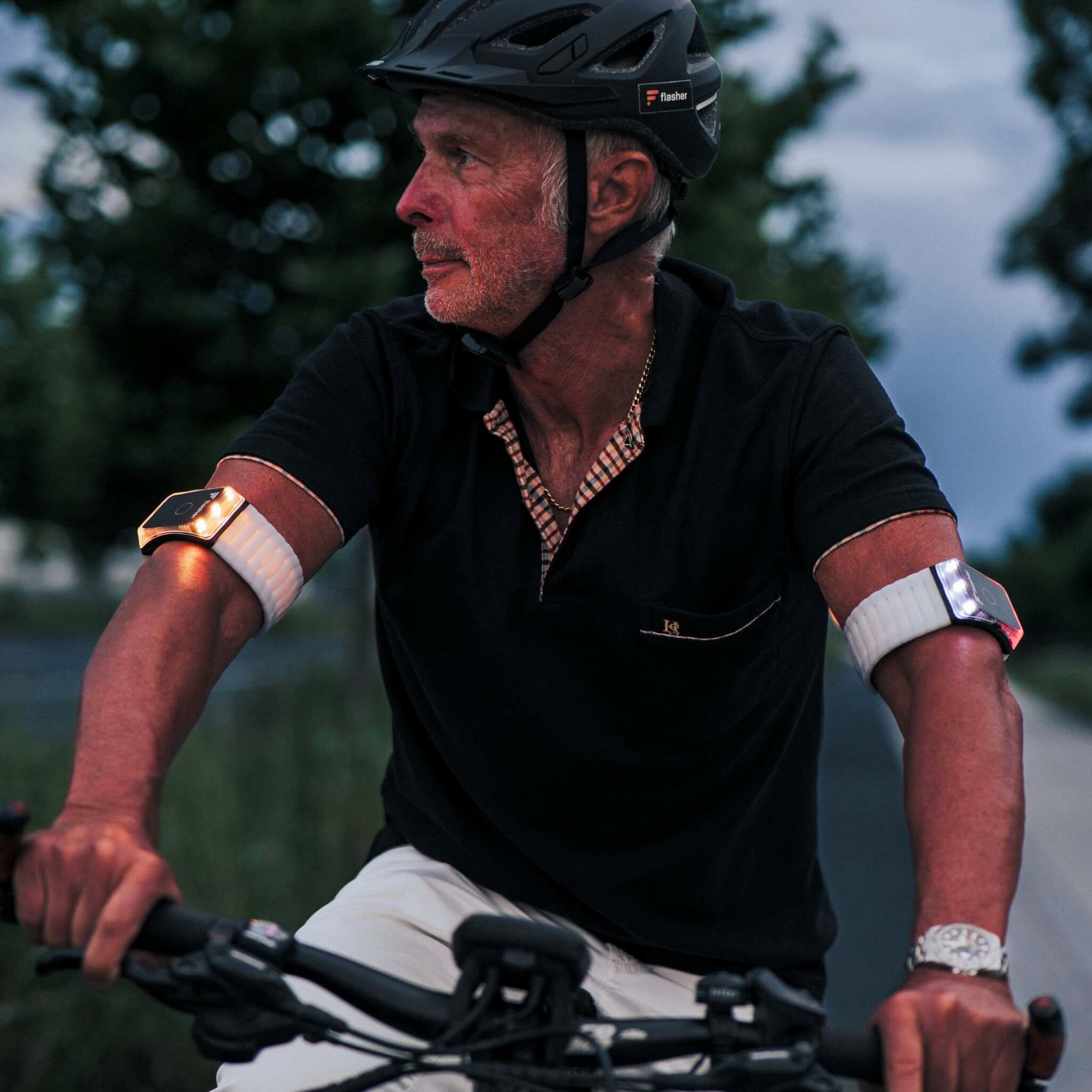
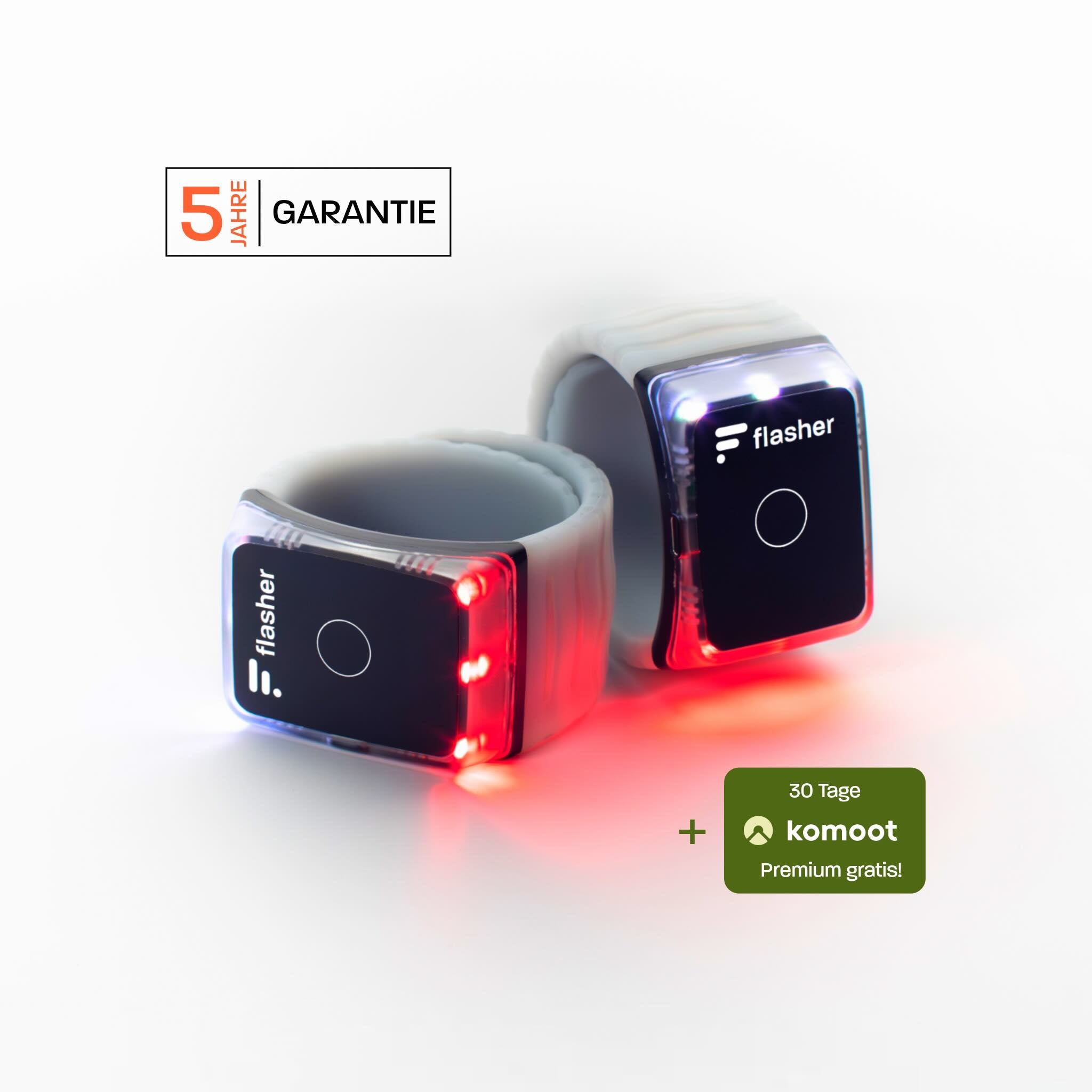
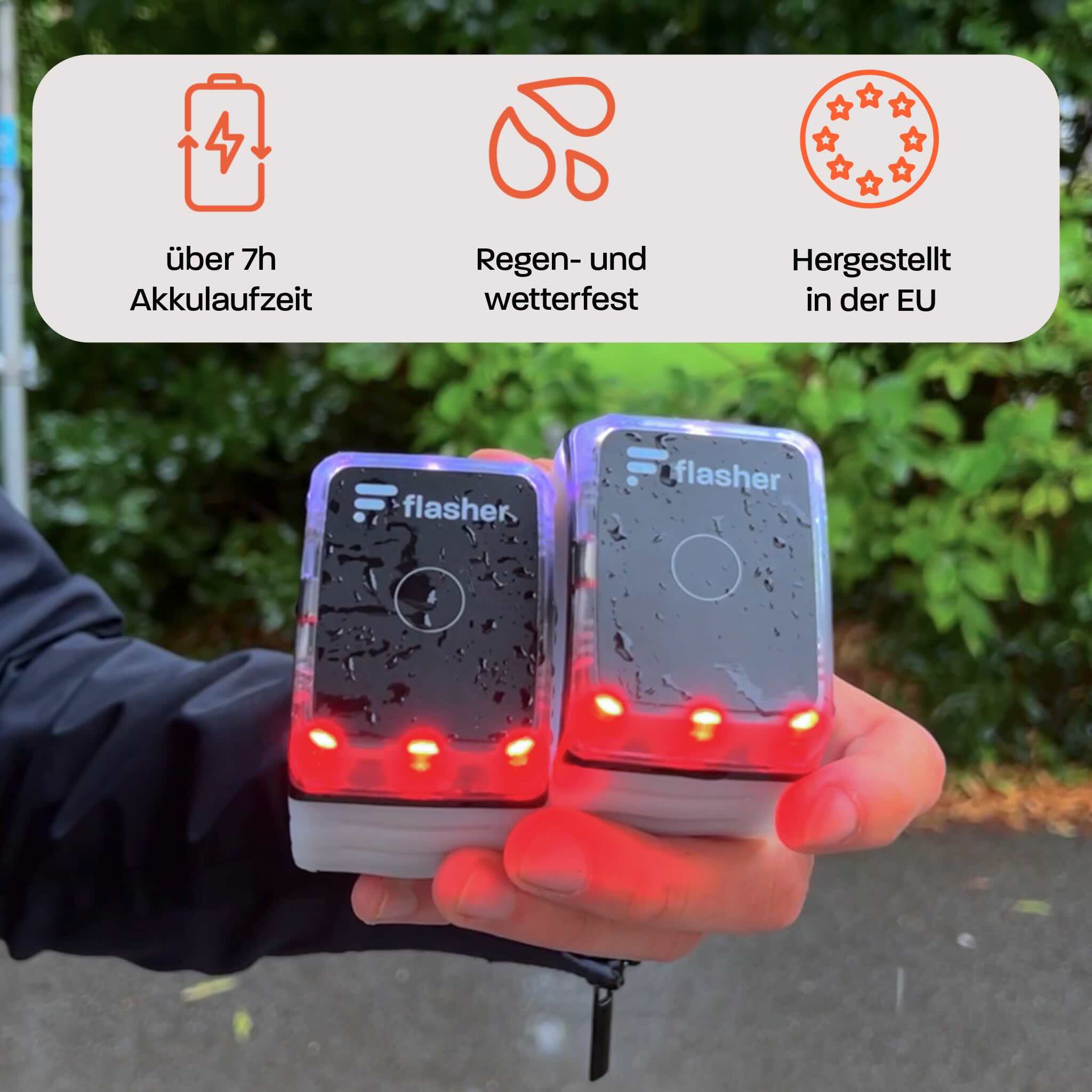
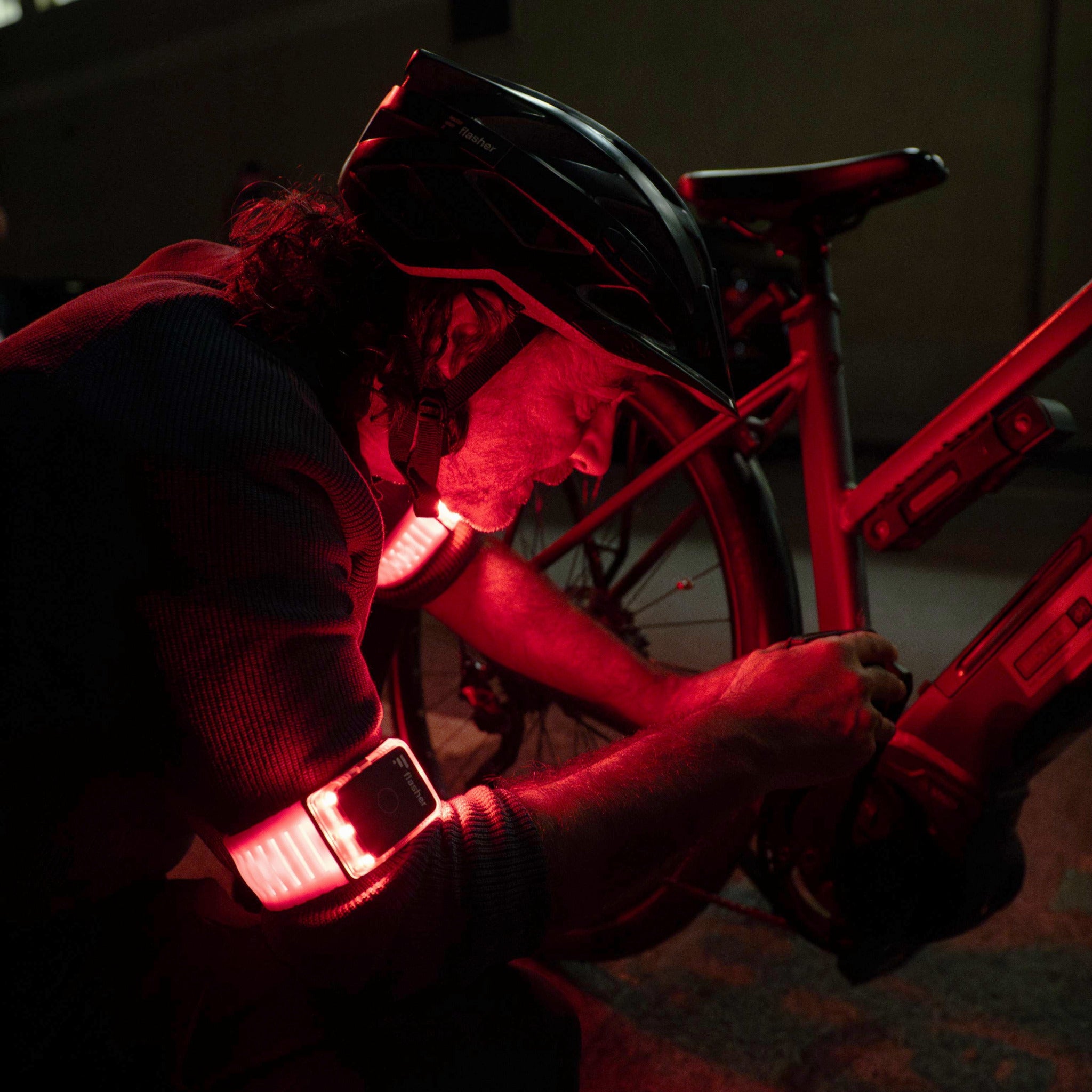
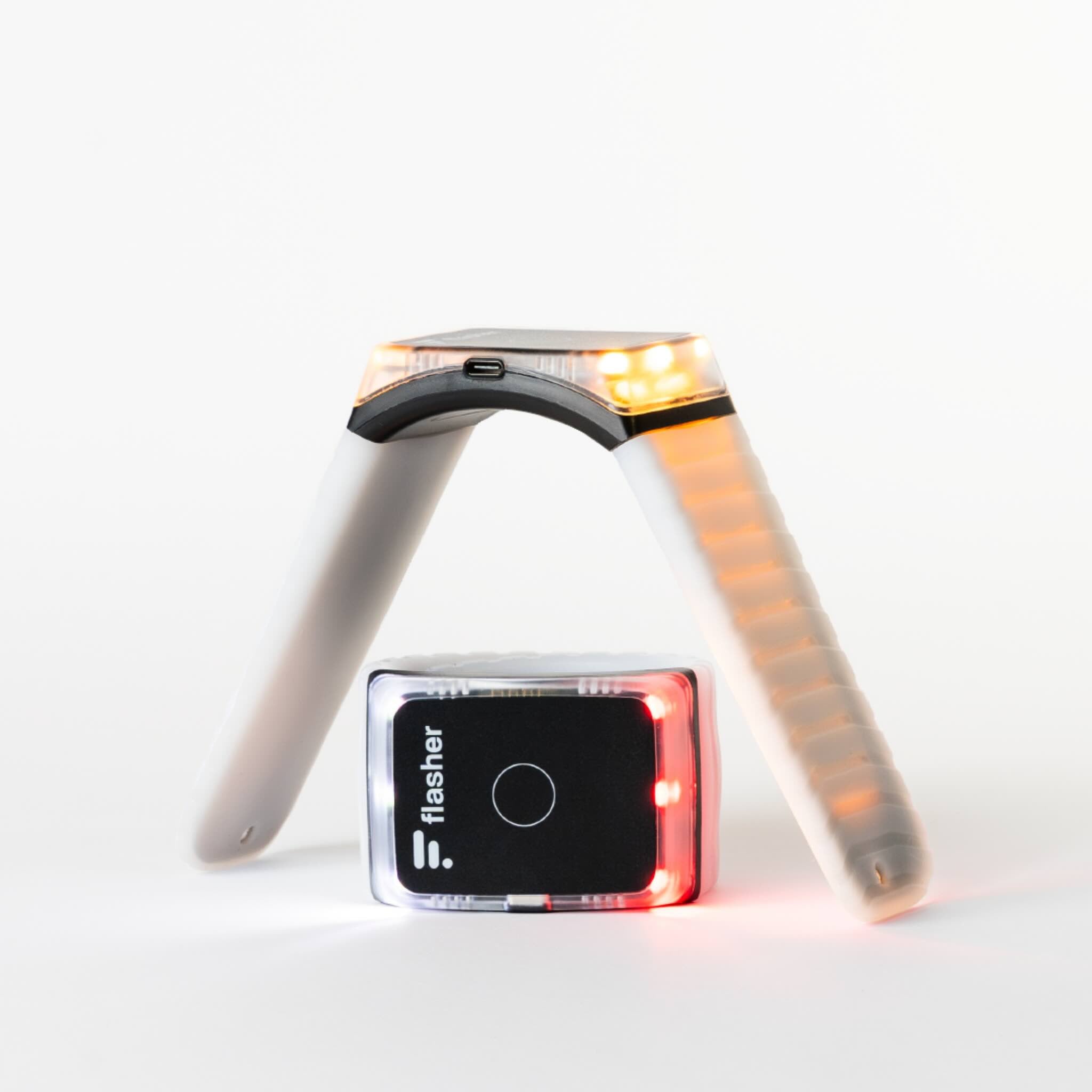
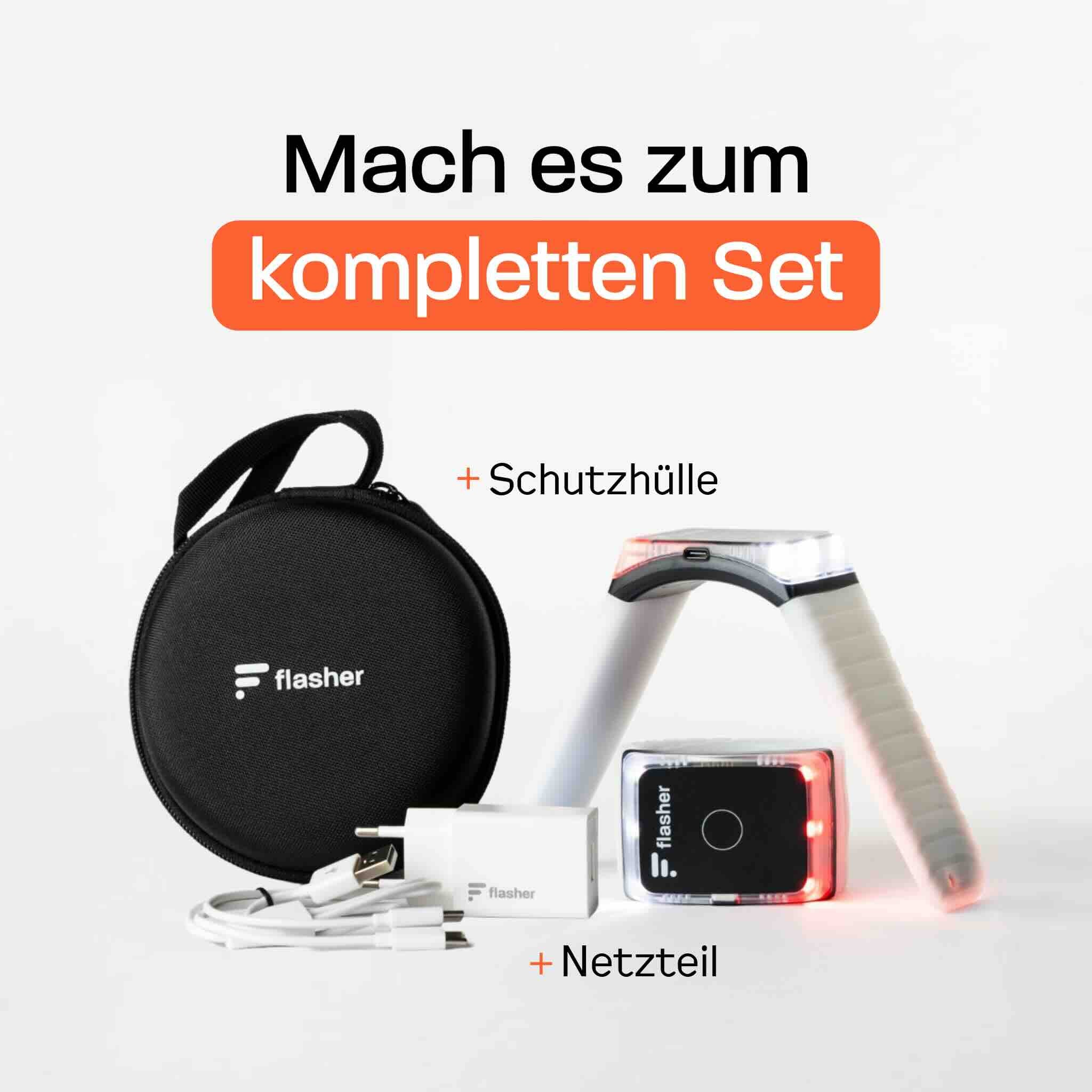
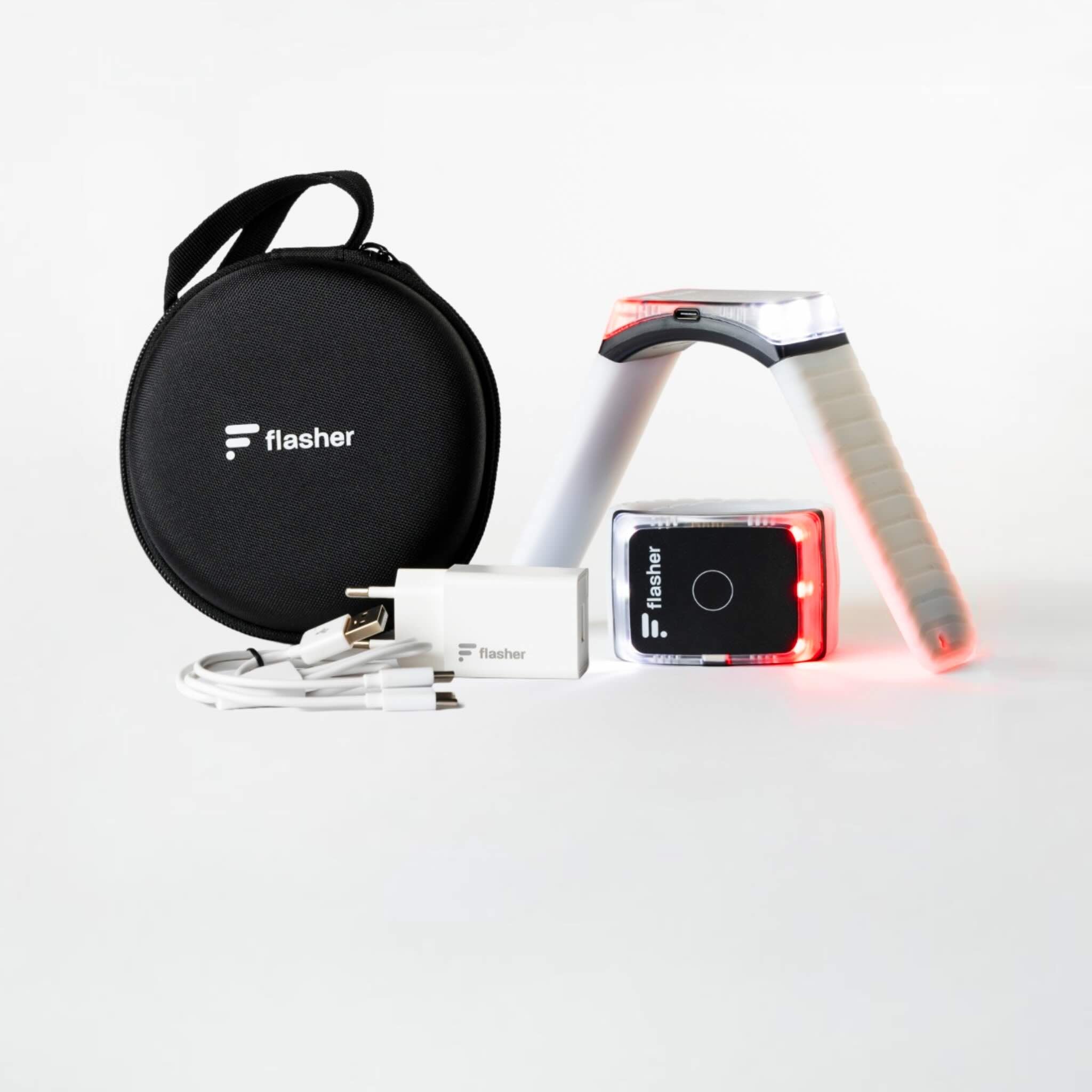
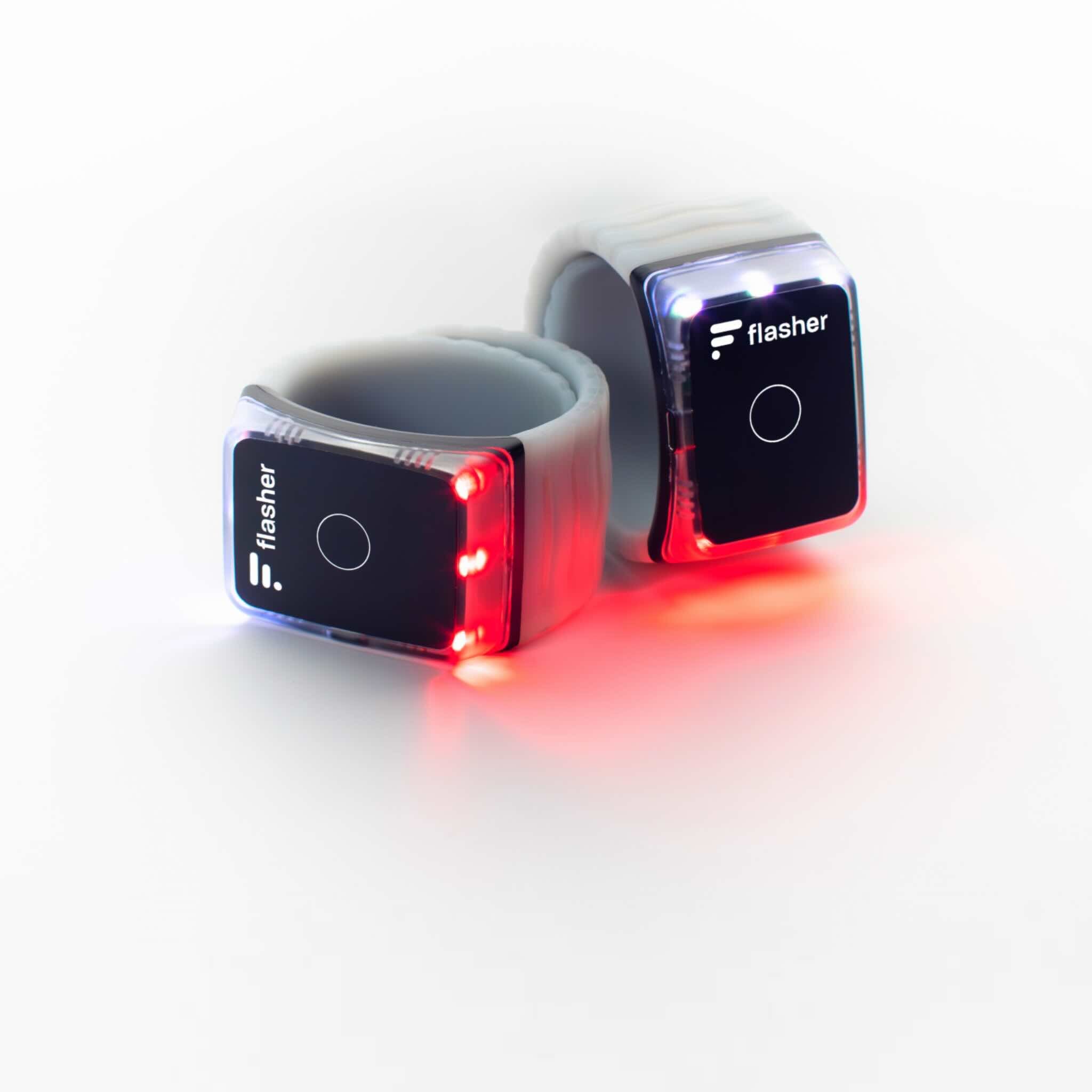
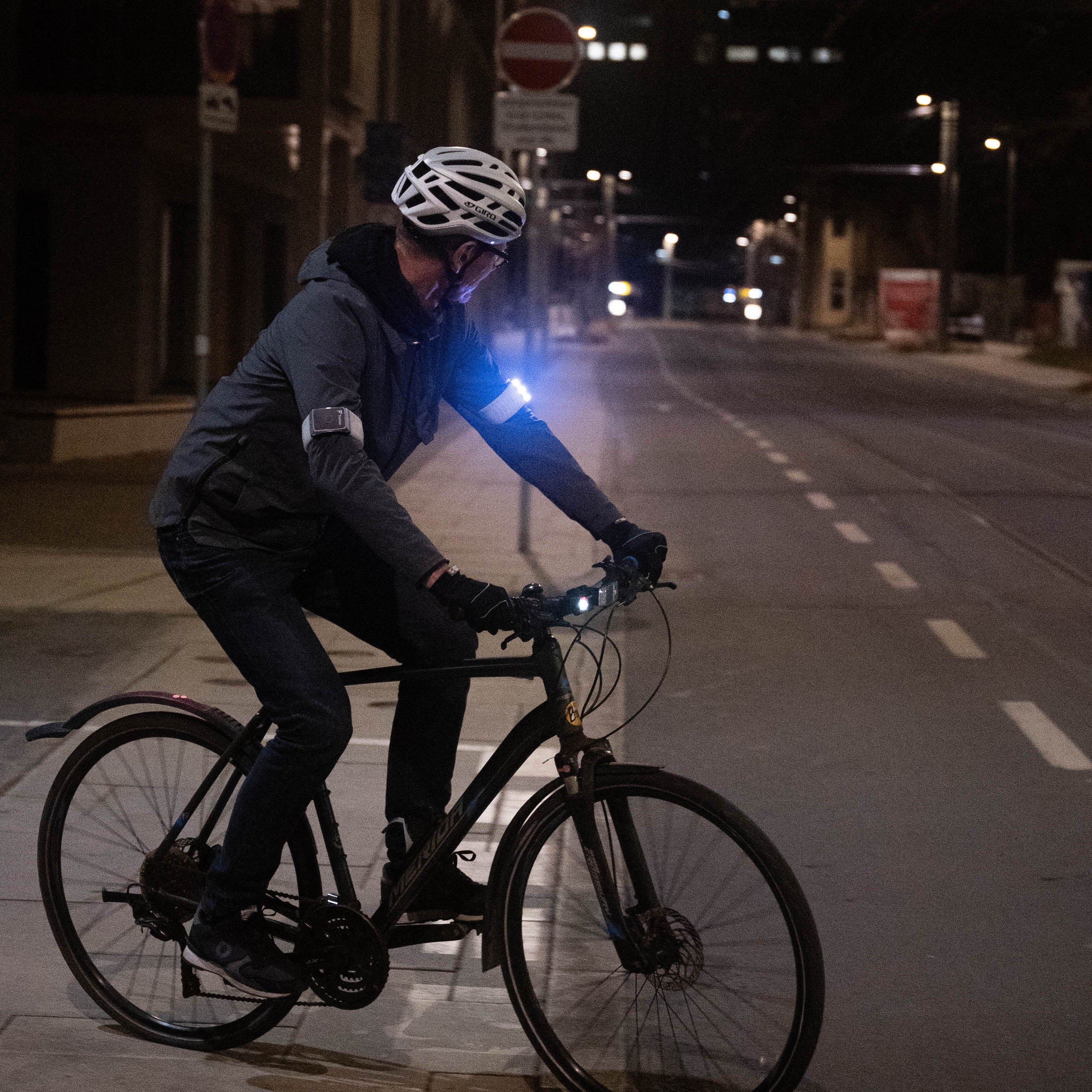
Two high tech armbands to maximize your visibility and stability on your e-scooter and on foot:
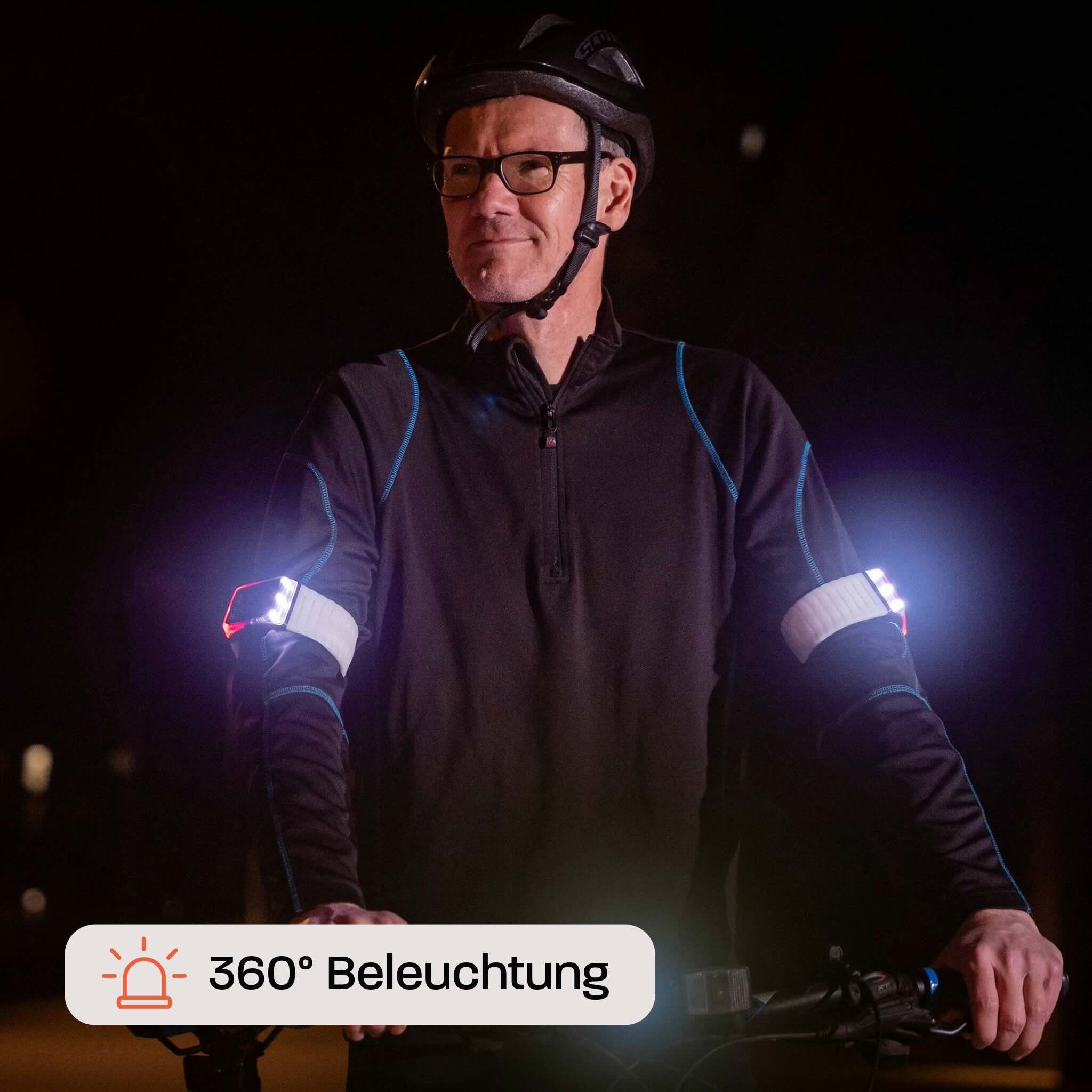
👀 Visible from every direction, right on eye level of car drivers
🚘 more distance from overtaking cars, because you're visible on the outermost point of your body
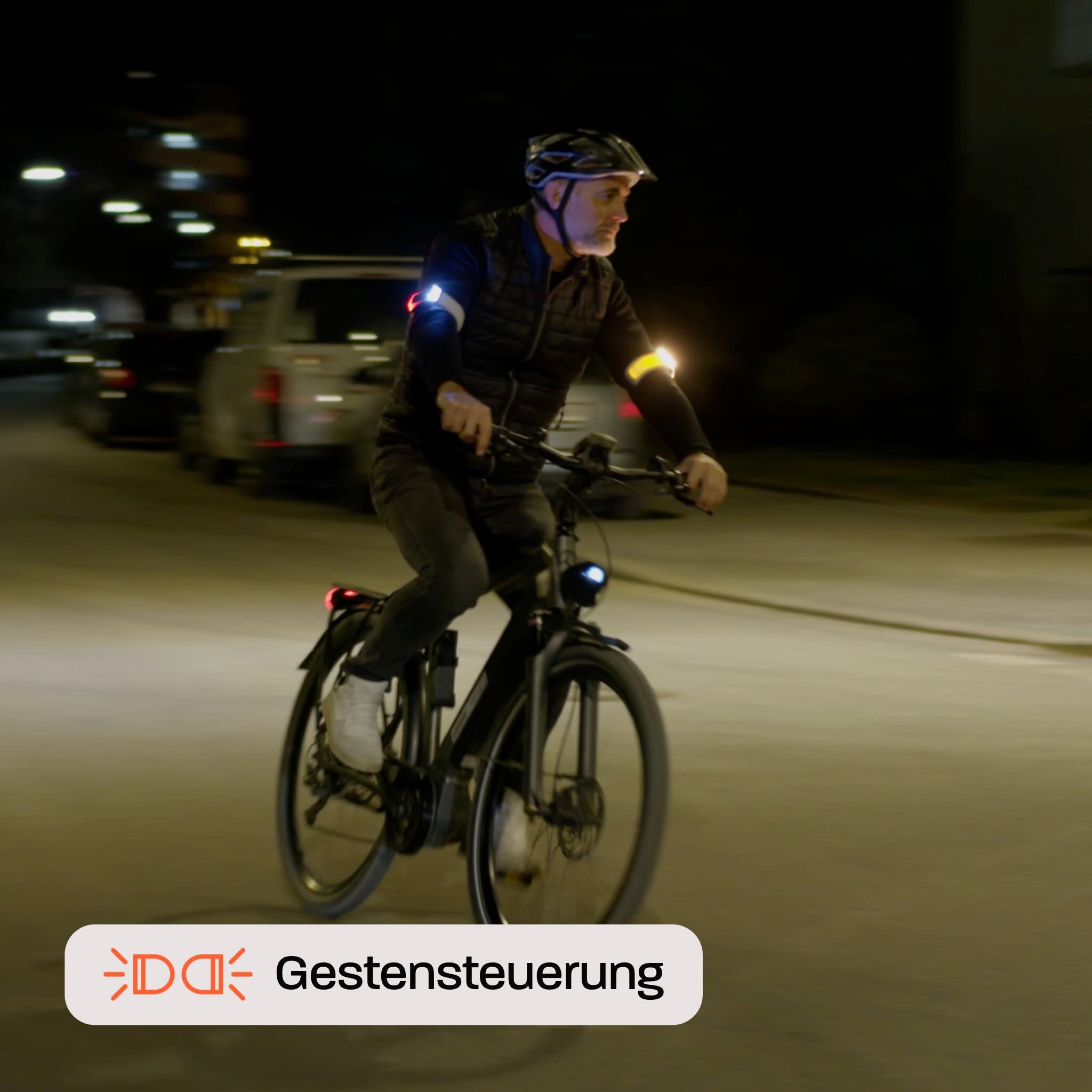
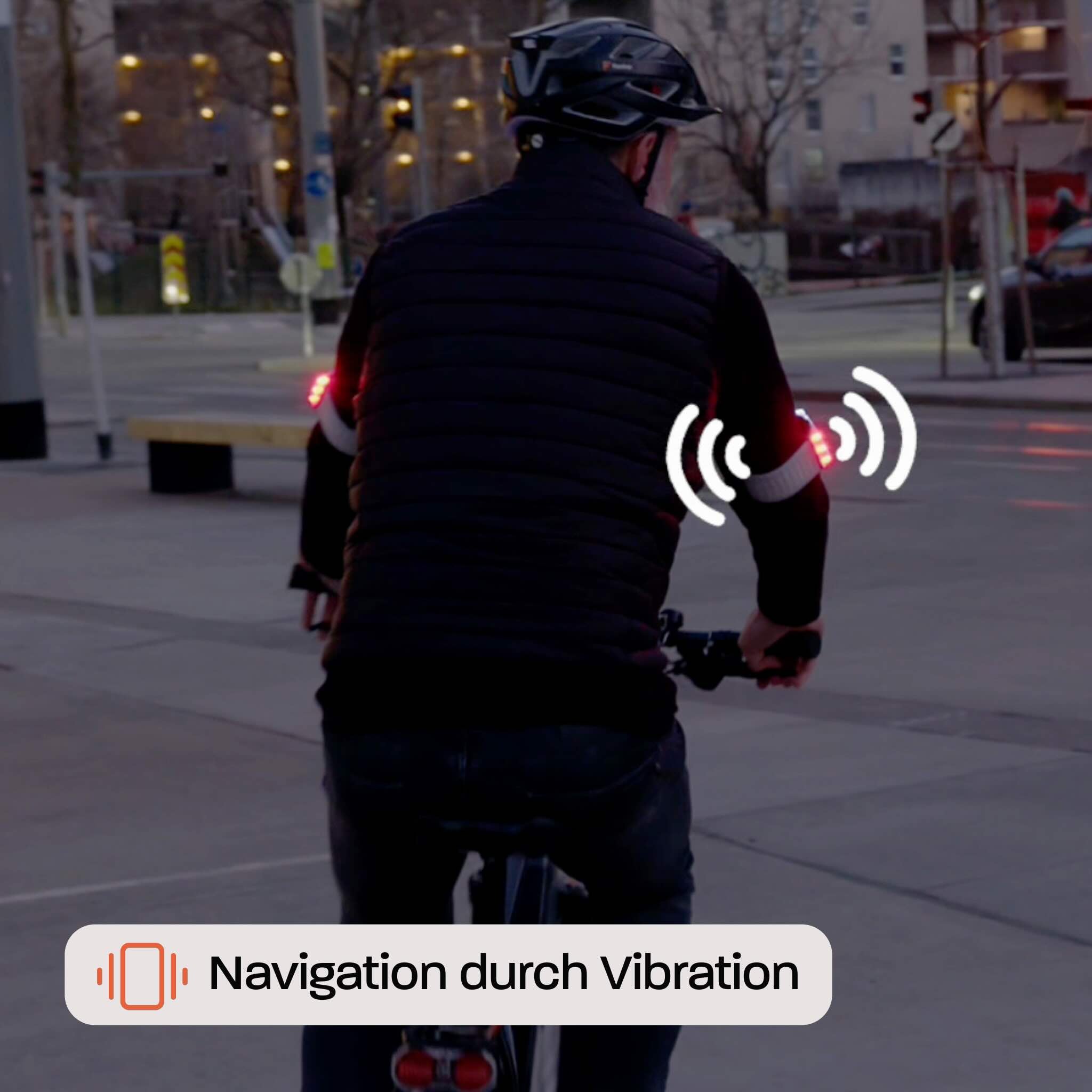
💪 safe turning, because your hands can remain on the handlebars
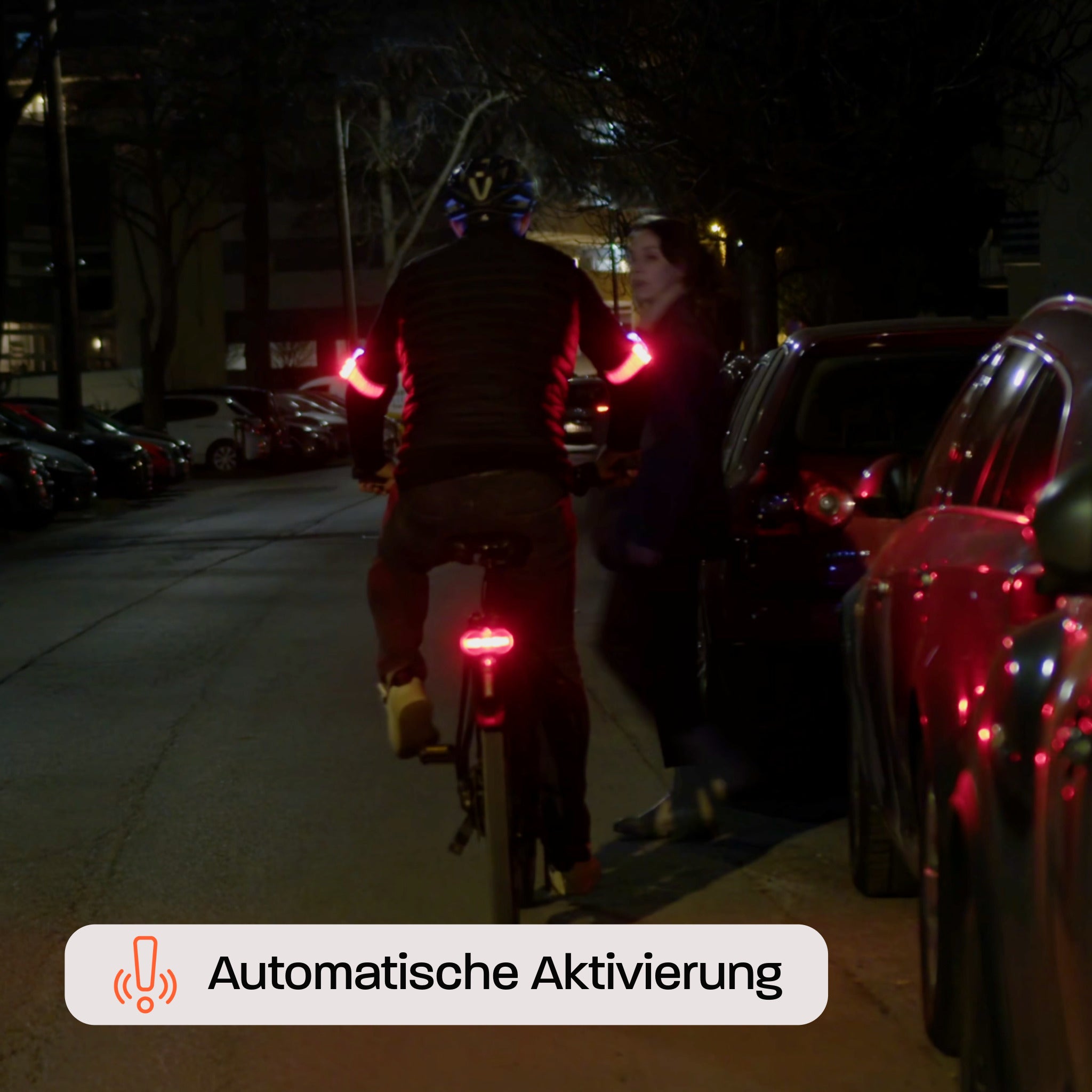
🚨 reduce your risk of rear-end collisions through automatic brakelights
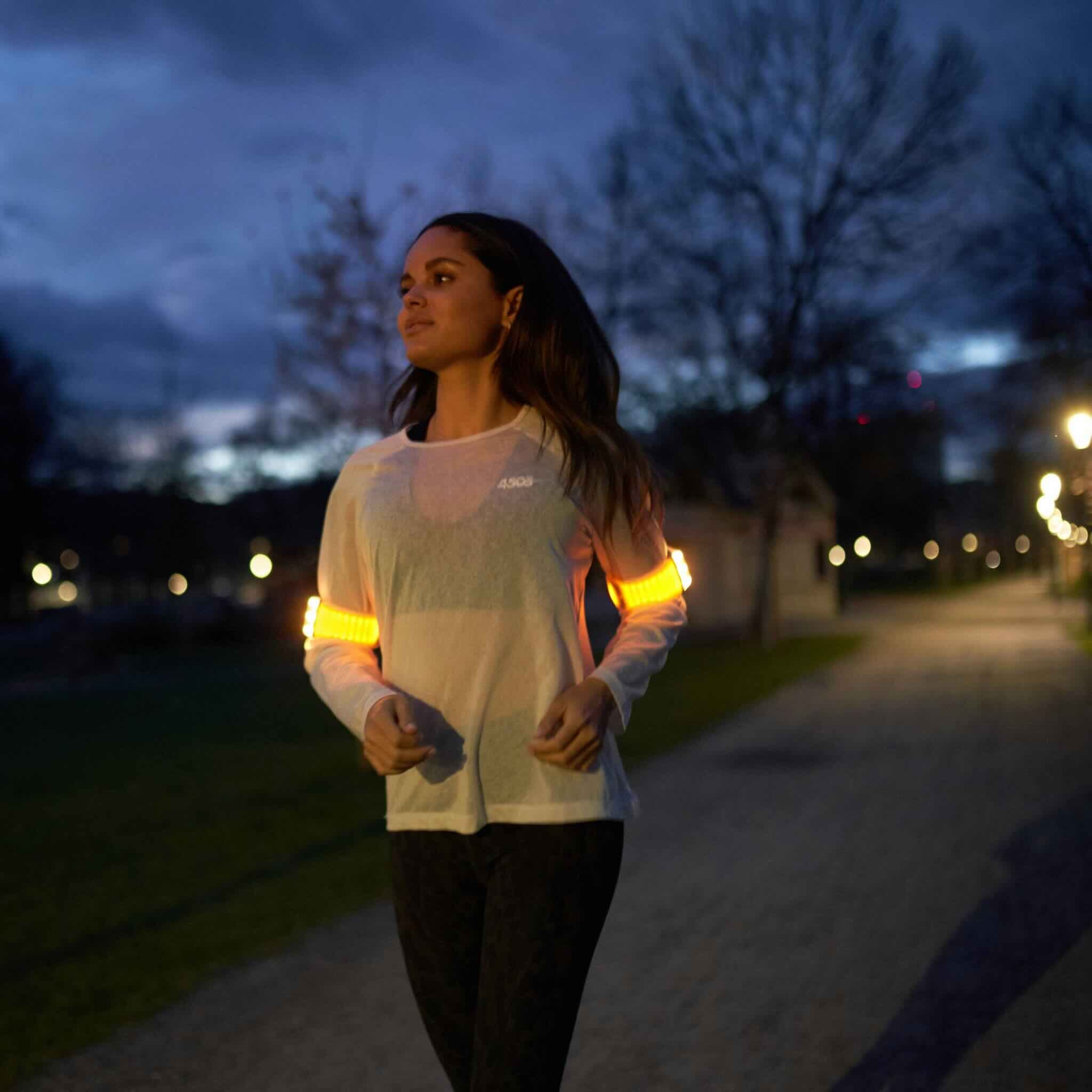
🏃🏻♂️ visible on and off your scooter in the jogging- and emergency-mode