



Do cycle paths quickly bring more safety?
June 13, 2025
Cycling in Germany is projected to triple by 2035. The assumption is that all that's needed to encourage less confident cyclists to switch to bikes is to build the necessary cycling infrastructure. How realistic is it that cycling safety can be improved quickly through the use of cycle paths?
Let's start with a few key figures:
- Political will: At the beginning of 2024, 11.43 km of cycle superhighways were under construction along federal highways – nationwide (compared to almost 10,000 km of roads for motor vehicles). Including paths built by states, districts, and municipalities, this amounts to approximately 631 km of new cycle paths per year.
- Financial needs: In 2021, most municipalities did not yet have sufficient funds of their own to utilize federal subsidies. Furthermore, in 2023, support for cycling path projects was halved.
- Long planning and project times: Most Austrian and German federal states want to expand their cycling networks. The time horizon is usually at least 5 years (i.e., until 2030), and in some cases considerably longer (around 2,000 new kilometers in Baden-Württemberg by 2040! ).

More bike paths lead to more cycling – that much is clear. Many cyclists currently feel too unsafe on the road or would feel safer on physically separated bike paths. But as mentioned above, bike path construction is a lengthy process, requiring careful and targeted planning, as well as financial and political support. The difficulty of financing, planning, and the political decision-making process is often illustrated by the example of Berlin: due to financial and personnel constraints , 25% fewer new bike paths will be built in 2025 than last year.
At least 7 steps towards the new cycle path
A poster from Hessen Mobil answers the question “Why does it take so long to build a bike path?”: It takes seven steps from the initial idea for a bike path to its opening ( four of which are separate planning stages). This can drag on for years. Therefore, permanent infrastructure projects are certainly not a quick fix for increasing cycling safety.
Unfortunately, there are several negative examples of lengthy and poorly planned cycling projects:
18 years until completion for 1.2km
A 1.25km cycle and pedestrian path has connected two Austrian municipalities since 2024. The plan for the cycle path originated a little earlier, in 2006.
20-year promise in Saxony
For two decades, plans have been in place to build a cycle path along the B97 near Hoyerswerda. However, this would have to lead through a former mining area, which has been designated a restricted zone. This is a good thing – cycling should not become even more dangerous – but neither the federal nor the state government considers itself responsible for creating an alternative route. When and if the municipality can manage this itself remains unclear.
Cycle path with integrated chicanes
Even if a physically connected – i.e., painted – cycle path is created, this does not necessarily mean increased safety. A municipality in northern Hesse overlooked the fact that the cycle lane and traffic-calming bays block the cycle path when planning them. Cyclists are thus forced from the cycle path onto the narrowed section of the road.
What should we do now?
The quick solution
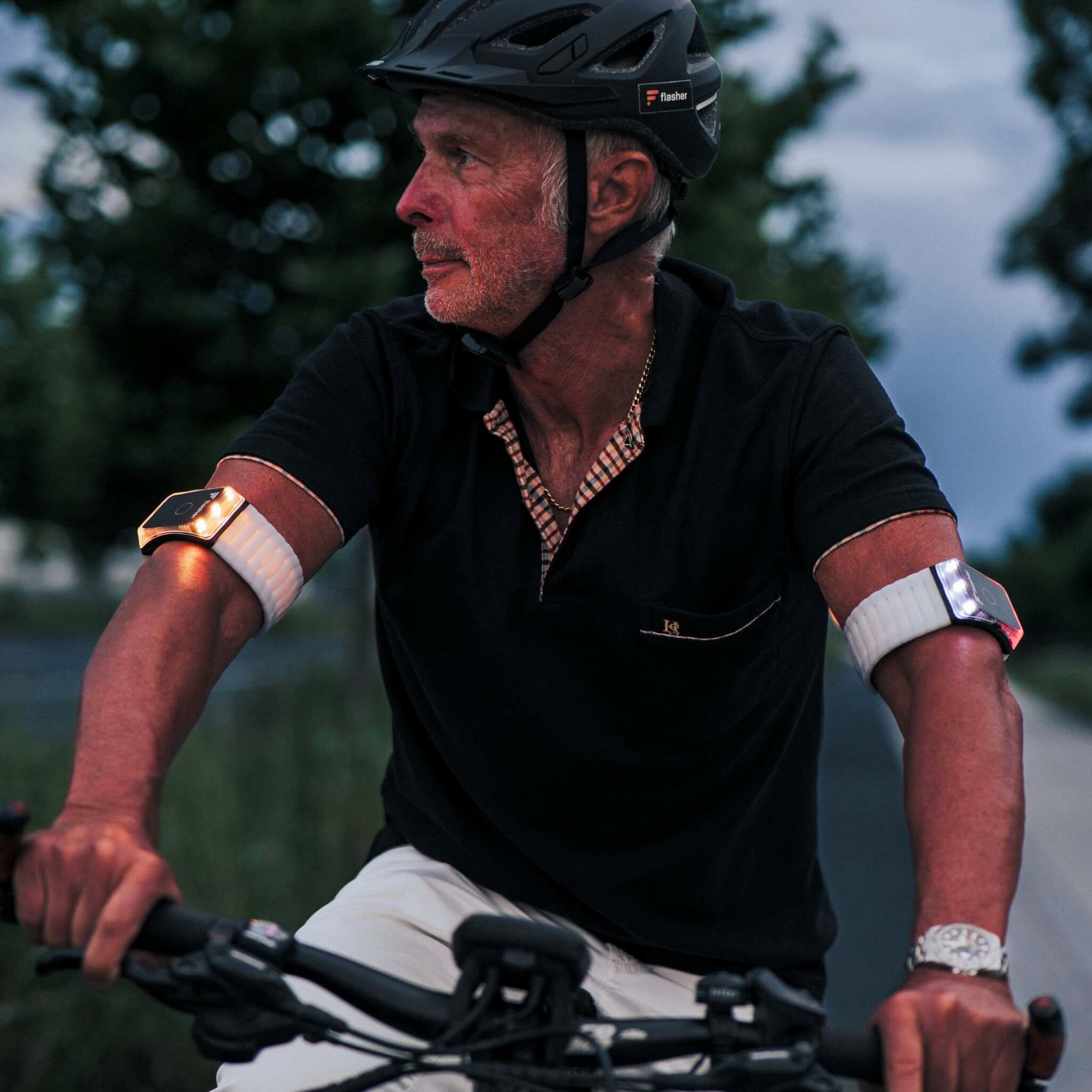
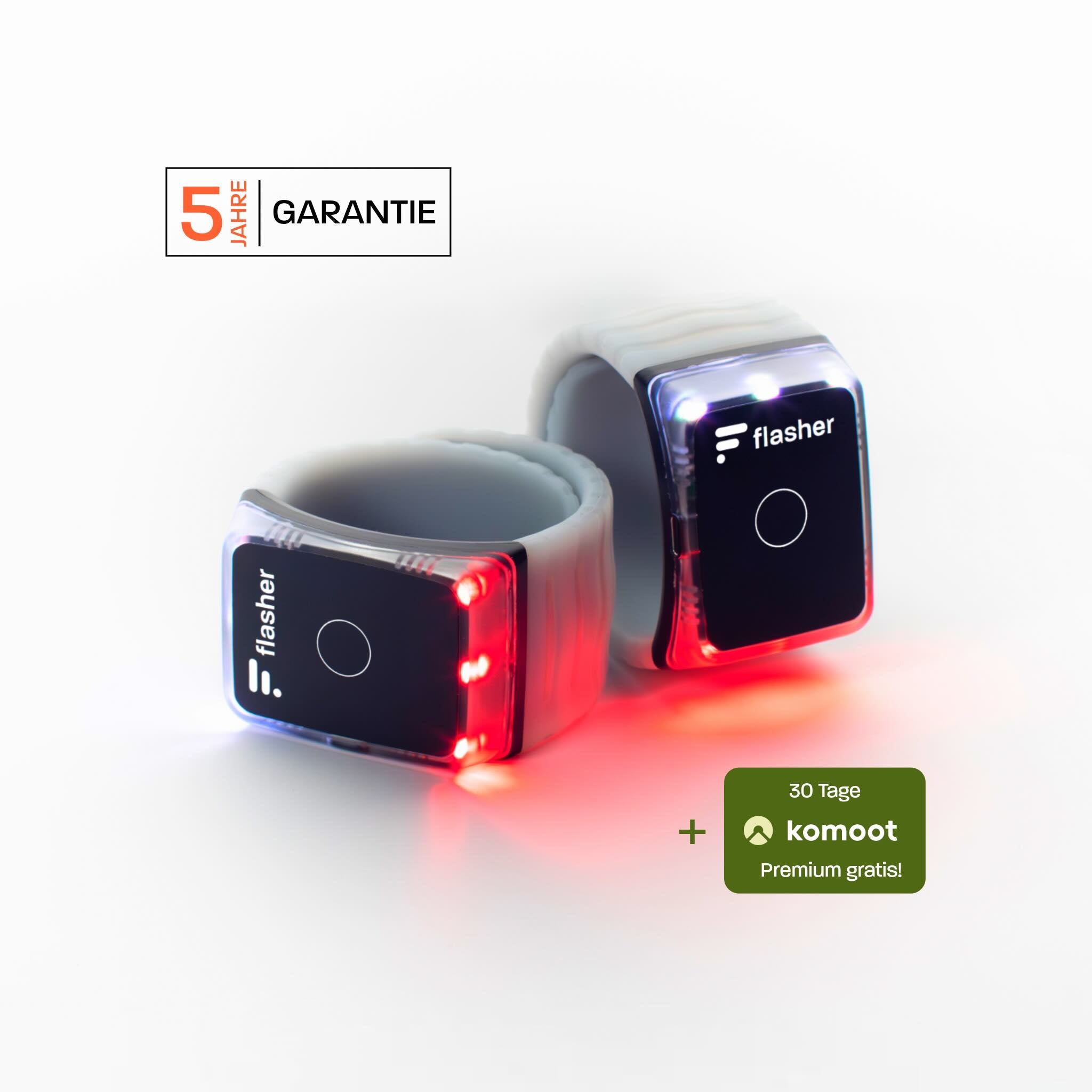
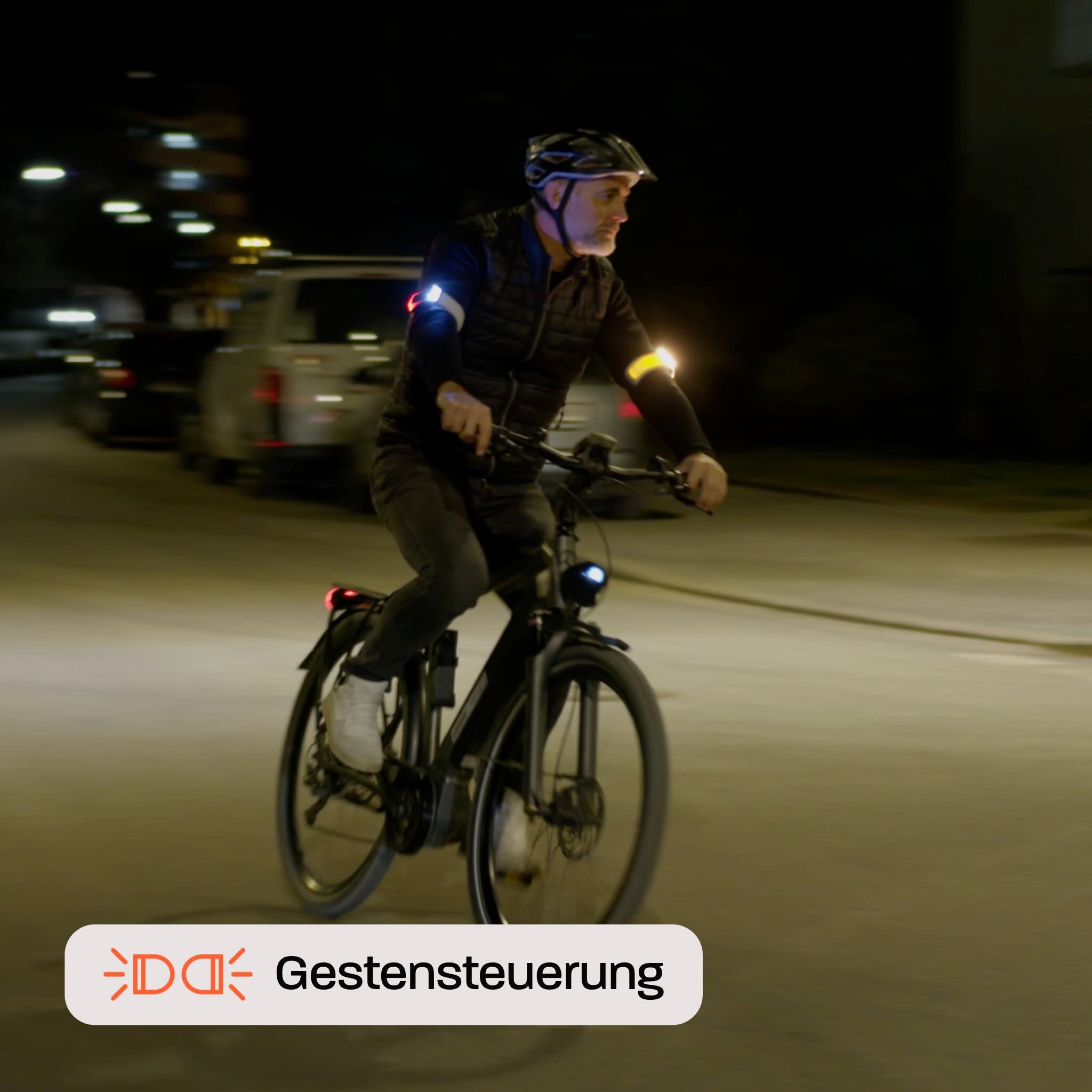
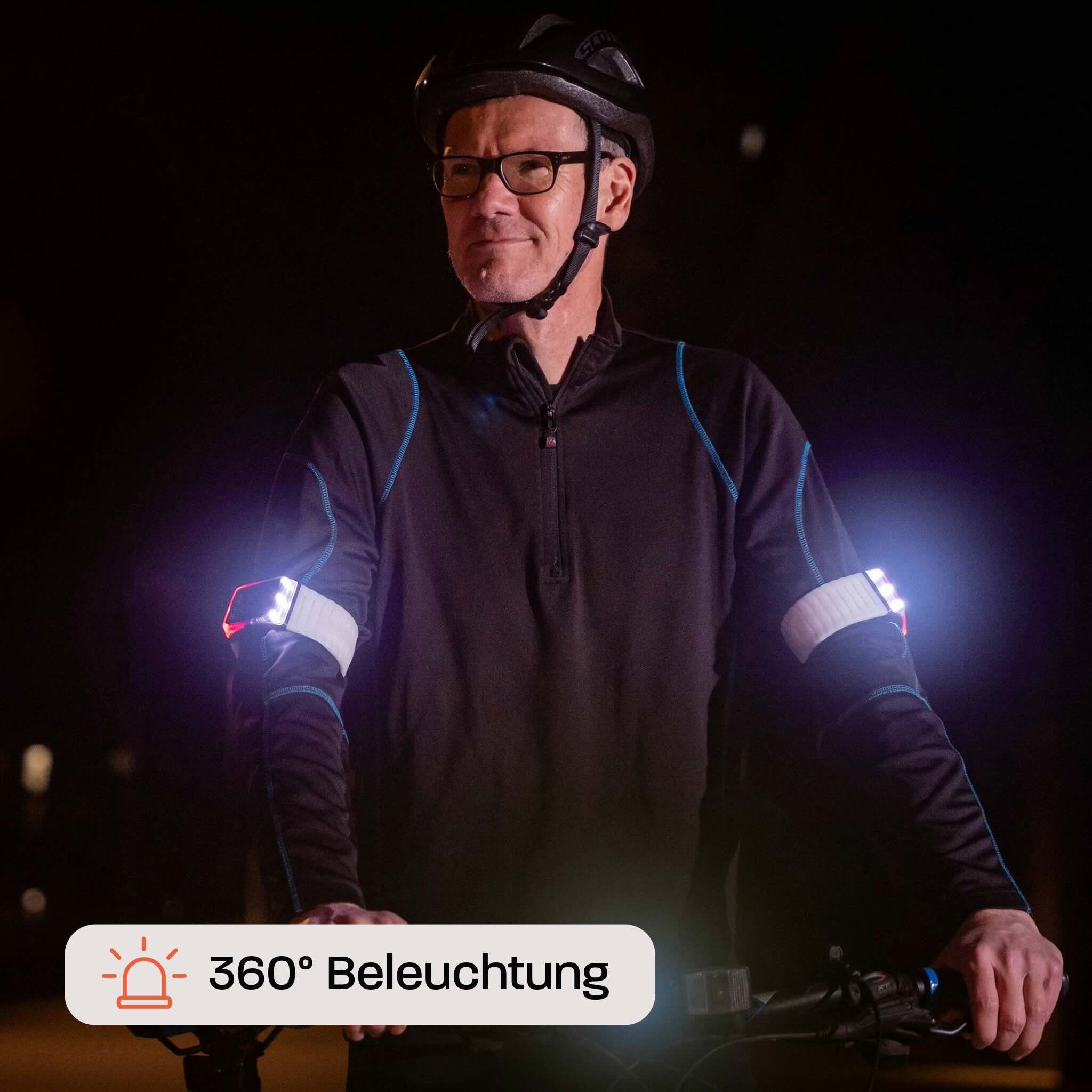
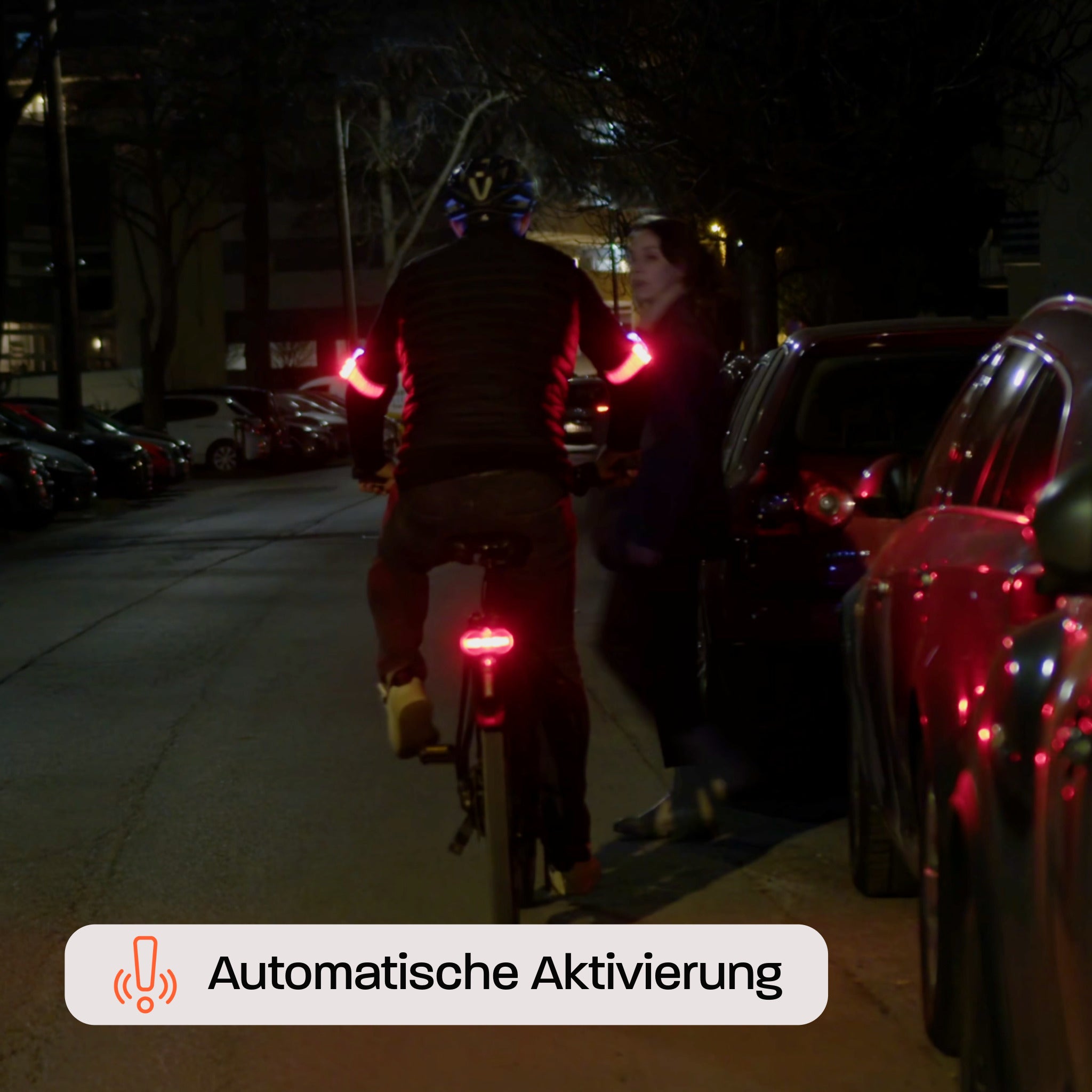
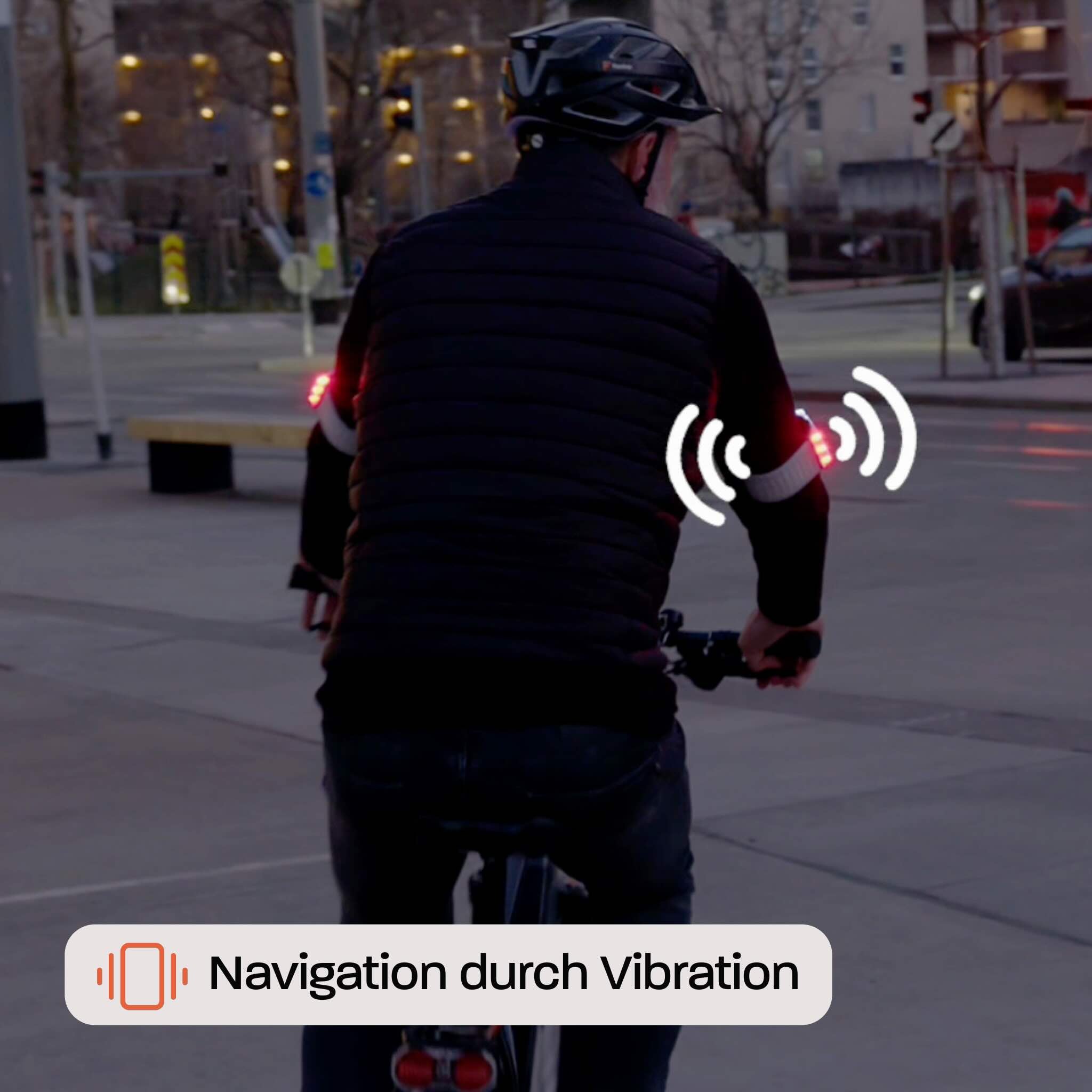
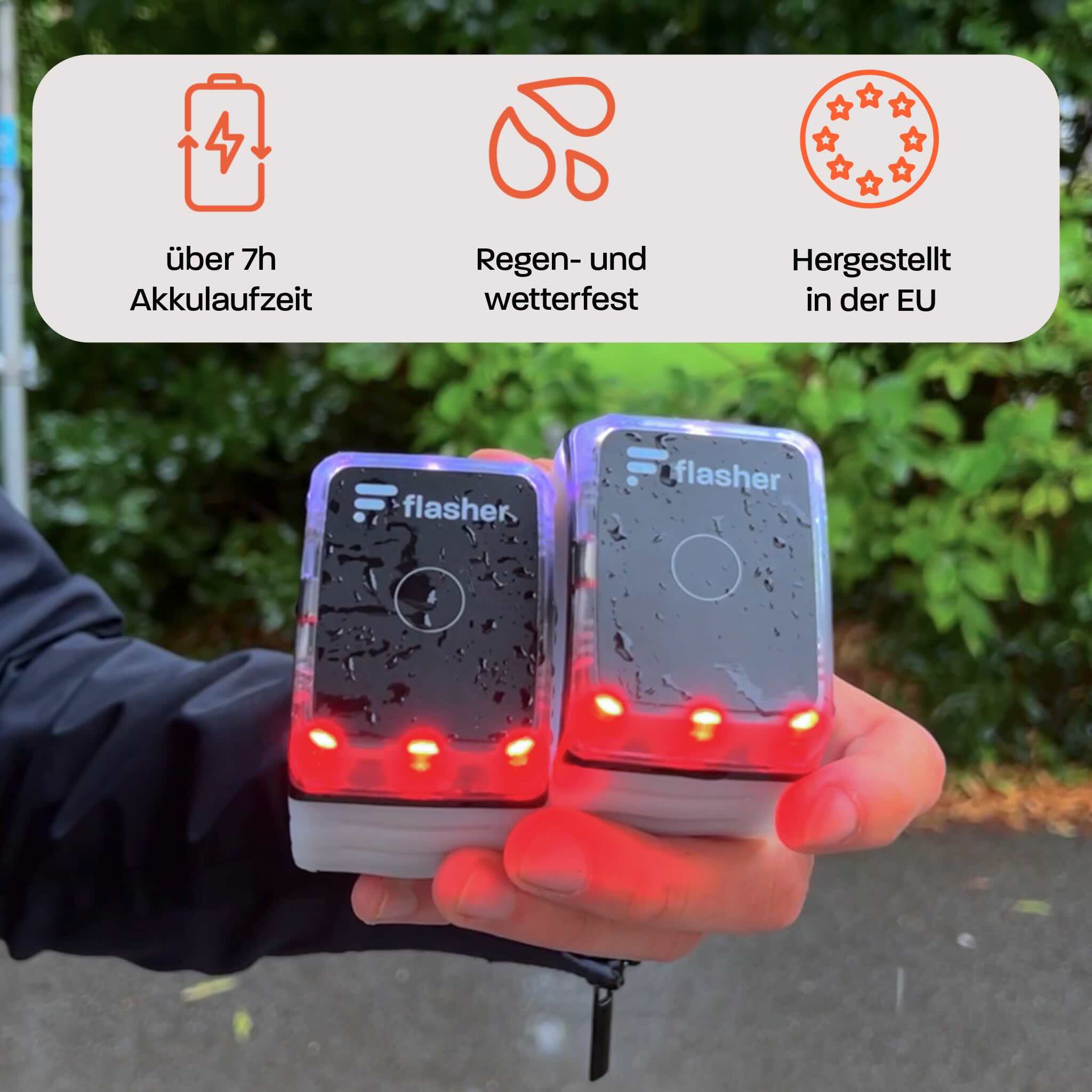
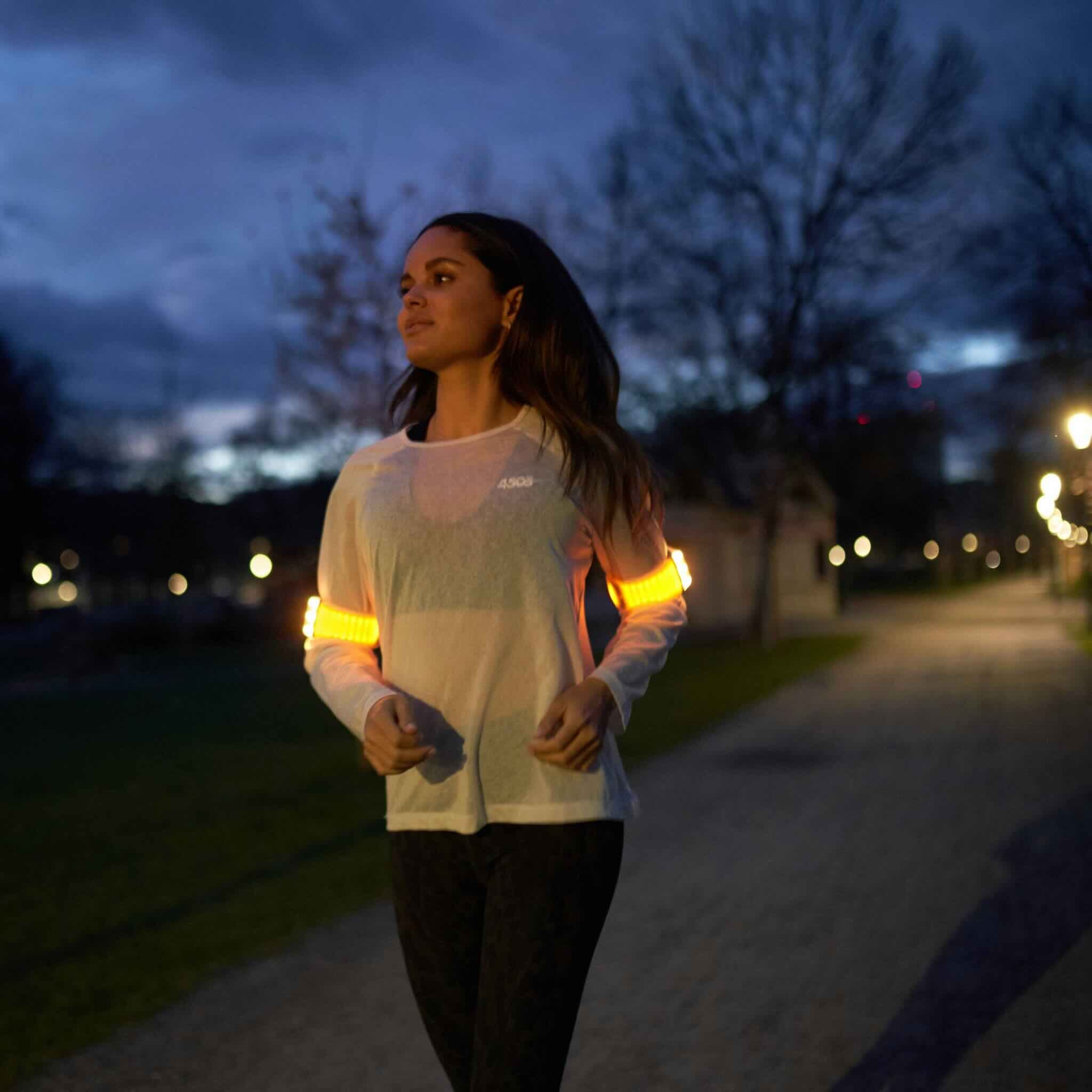
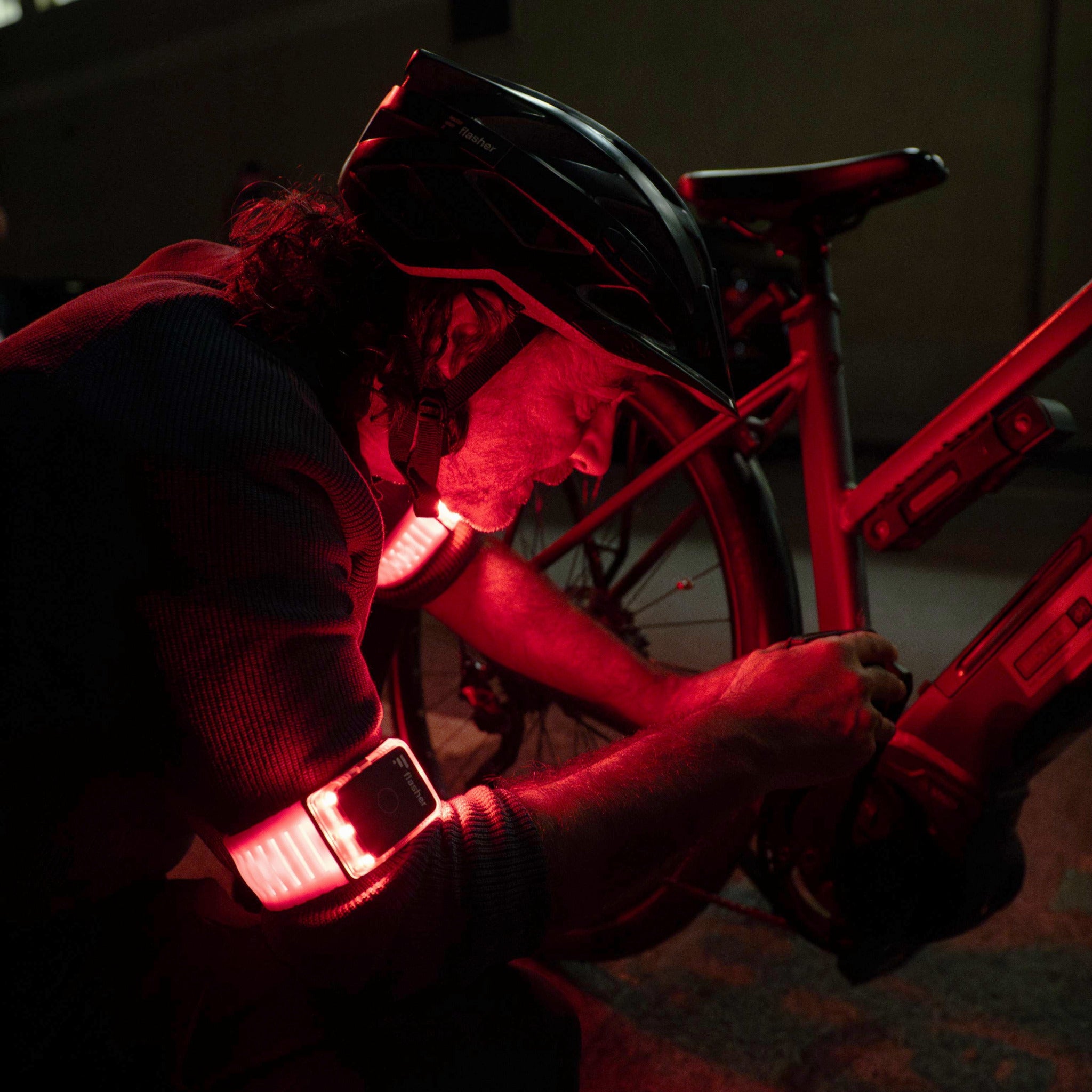
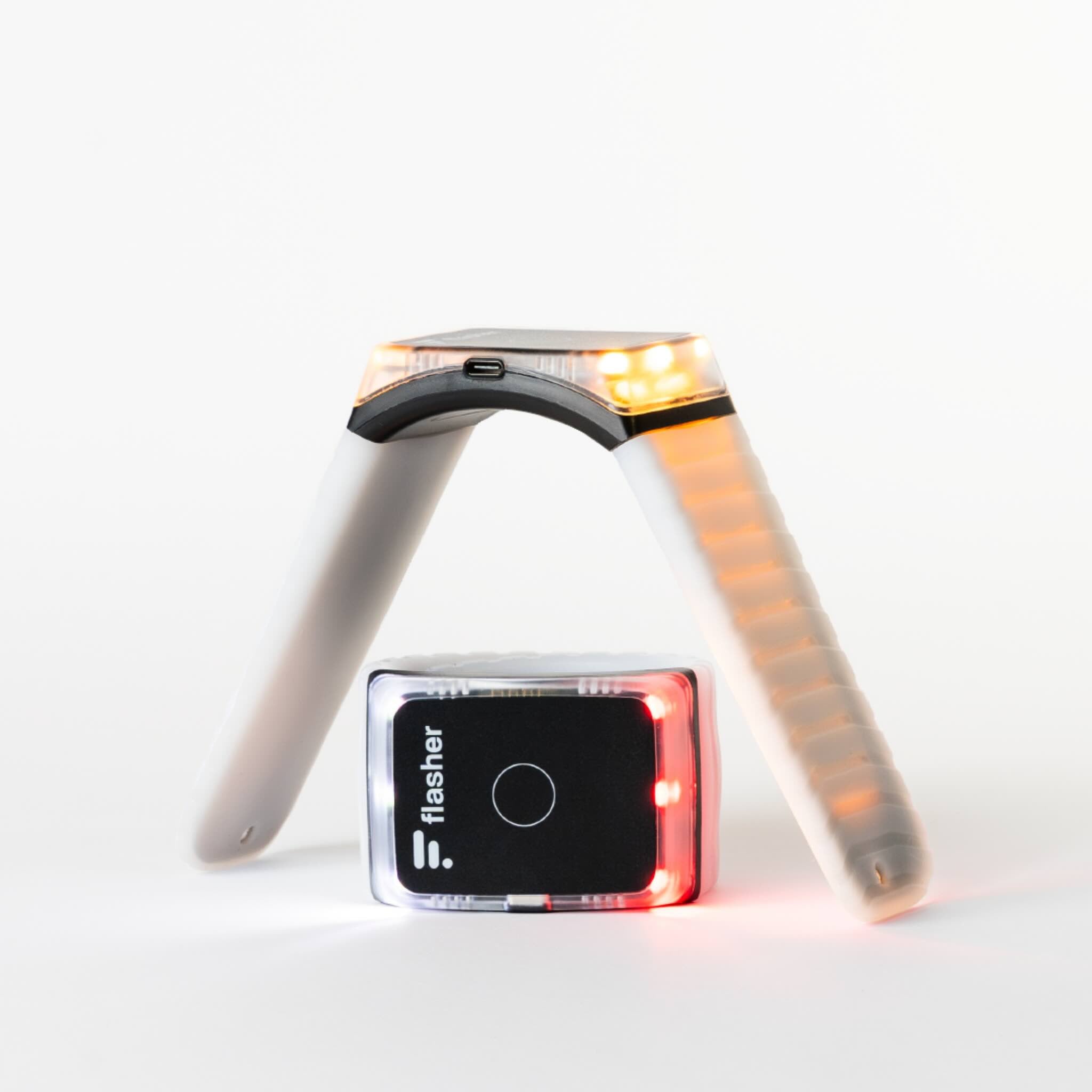
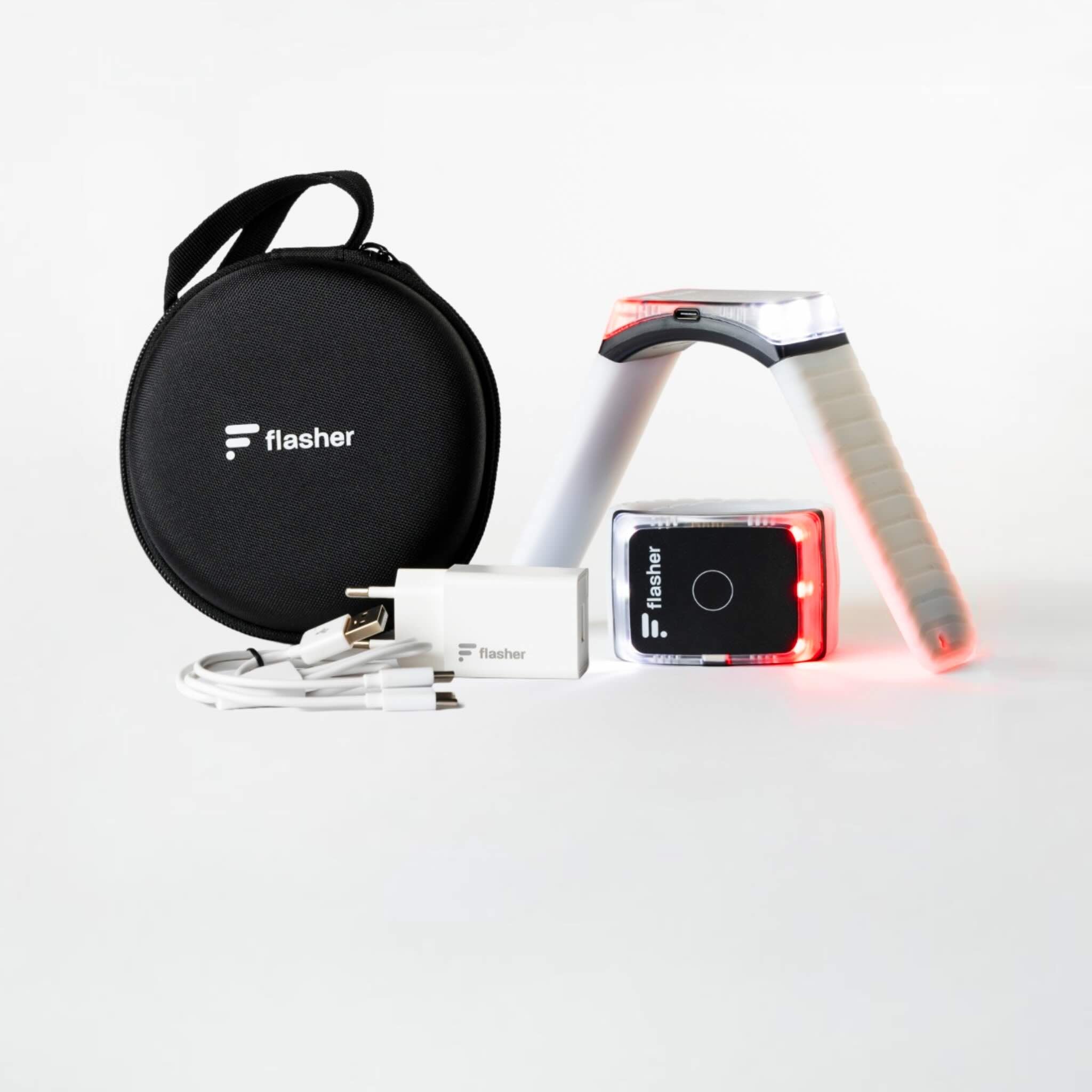
Anyone looking for a quick and effective solution for increased safety needs to take immediate action themselves. Protective clothing like helmets is important, but so is making yourself visible in traffic. As long as bicycles and cars are still shared, you need turn signals for reliable communication in poor visibility and at dusk, stability on uneven roads and bike paths, and clearly visible lights at eye level with drivers.

Become politically active
Pop-up cycle lanes are a great alternative for traffic tests, however they do not offer the physical separation that is urgently needed for safety.
Taking action at the local level and supporting associations like the ADFC can set the political environment in motion.
Take your safety into your own hands.